
Investing in Kampala Rental Property: The Basics Explained
Living in Kampala · · 7 min read
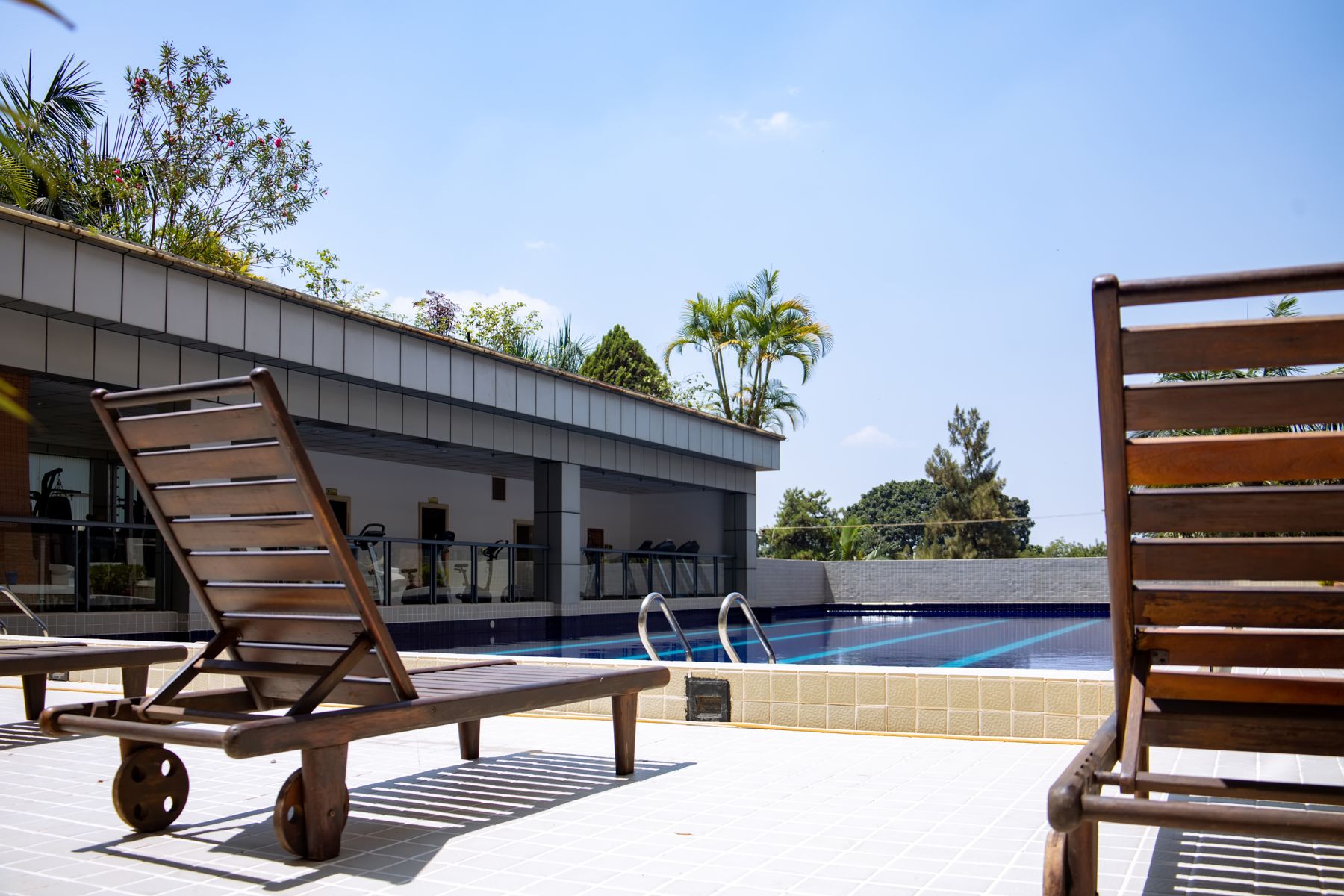
Investing in rental property in a city like Kampala works on the same basic logic as anywhere else: you buy or build an asset, place it with a paying tenant or guest, and earn income and, over time, possible growth in value. What differs is the detail. Location, furnishing, management quality, legal title and the type of tenant matter a great deal, and the right answer for one investor can be wrong for another.
This article is an educational overview, not financial, legal or tax advice. It sets out how to think about yield, location, furnishing, management and due diligence, and which questions to ask before committing money. It deliberately gives no market figures, because rents, prices and returns change and must be checked against current, reliable sources. Simba Properties is a Kampala property company with over a decade of experience in high-end rental apartments and commercial buildings, and some of the examples reflect that perspective.
How rental income works
A rental property earns money in two ways. The first is income: rent or nightly charges paid by occupants. The second is capital value: the property may be worth more or less when you sell. Income is more predictable than value, and the two do not always move together.
Against that income sit the costs of owning the asset. These typically include:
- Management, maintenance and repairs
- Utilities and service charges you pay as owner
- Insurance, where available
- Taxes and fees (check current official guidance and speak to a qualified adviser)
- Periods when the property is empty
- Replacement of furniture, appliances and finishes over time
Beginners often count only the rent and forget the rest. A healthy investment is judged on what remains after realistic costs, not on the headline rent.
Thinking about yield
Yield is simply the income a property produces compared with what you paid for it. Gross yield uses rent before costs. Net yield deducts costs and gives a more honest picture. When you compare opportunities, compare like with like, using the same method for each, and be sceptical of any quoted figure that does not say how it was calculated.
Questions that make yield figures meaningful
- Is the income actual, or an estimate of what the property might earn?
- Does it assume the property is occupied all the time?
- Which costs have been deducted?
- In which currency is the income earned, and in which are the costs paid?
- Has anyone verified it from real bookings or lease records?
Currency deserves particular thought. Some Kampala rentals are priced in US dollars and some in Uganda shillings. Exchange-rate movements can change what your income is worth in the currency you actually spend or report, so consider where your costs and your own obligations lie.
Location matters most
Property professionals repeat the same point because it holds: you can change a kitchen, but you cannot move a building. In Kampala, a good location usually means a combination of security, access to employment and schools, reliable utilities and a reputation among the tenants you want.
Different neighbourhoods attract different occupants. Kololo draws diplomats, international organisations and executives. Bukoto draws families and professionals who value schools and shopping at a more moderate price. Buziga draws people who want space and lake views, in exchange for a longer drive. You can see how areas differ in our comparison of Kololo, Bukoto and Buziga, and the current Simba Properties listings show how apartments in those areas are presented.
Visit at different times of day. Check traffic at peak hours, noise, drainage after heavy rain, the state of the access road and how secure the area feels in the evening.
Who is your tenant?
Decide on your target occupant before you buy, because it shapes everything else.
- Long-term residents offer steadier income and fewer changeovers, but lease terms and tenant behaviour need careful handling.
- Short-stay and corporate guests may pay more per night but need more active management and stronger marketing.
- Commercial tenants such as offices bring different lease structures and different risks.
Understanding how each kind of occupant thinks, and what they will actually pay for, helps you judge whether a property fits the model you intend to run. Speak to people already operating in that segment before you commit.
Furnishing and finish
Furnished and unfurnished properties serve different markets. A furnished apartment can command a higher rate and attract people who need to move in immediately, but it carries the cost of buying furniture, replacing it and keeping it in good condition. Ask people who rent in the area what they expect to find, and cost every item you would need to provide.
As an owner, think about durability before style. Hard-wearing floors, simple fittings, good ventilation and reliable appliances reduce repair bills. Features that matter to higher-end tenants in Kampala, such as air conditioning, secure parking, wireless internet, a work desk and a functioning kitchen, are worth costing carefully against the rent they support.
Management is where returns are made or lost
An investment that looks sound on paper can be damaged by poor management. Someone has to find tenants, vet them, collect payment, handle repairs, keep the property clean and respond when the power fails or a tap leaks. If you live abroad, that someone cannot be you without good systems.
If you consider using a management company, ask:
- What exactly does the fee cover?
- How are tenants found and vetted?
- How are repairs approved and costs reported?
- How often will you receive statements, and in what form?
- What happens when a tenant stops paying or leaves early?
- Can you speak to other owners who use the company?
A company with a long track record in the market, an established team and a public record of buildings it operates is generally easier to assess. You can learn about Simba's background on the about page.
Due diligence before you buy
Due diligence is where cautious investors protect themselves. In Uganda, land and property rights have specific forms, and ownership must be verified carefully. Do not rely on a seller's word or a copy of a document.
- Instruct a qualified Ugandan lawyer to verify title, boundaries, encumbrances and the seller's right to sell.
- Confirm planning and building approvals for the structure, particularly for new development.
- Inspect the building with a competent surveyor or engineer.
- Check access, drainage, water, power and internet.
- Review existing leases and understand what you inherit. Our overview of rental agreements in Uganda introduces the topic, but it is no substitute for legal advice.
- Check the rules that apply to foreign buyers and diaspora investors with official sources and a qualified lawyer, as they may differ from those for citizens.
Holding period and exit
Property is not quickly turned into cash. Before you buy, think about how long you can leave the money invested, how you would sell if you needed to, who the likely buyers would be and what the process would cost in fees and time. A property that is easy to rent is not automatically easy to sell, and a well-kept building in a sought-after location is generally easier to place than one with title or access problems.
Common mistakes to avoid
- Buying on a quoted return without seeing the underlying records.
- Choosing a location for its price rather than its demand.
- Underestimating vacancy, repairs and replacement costs.
- Skipping legal checks because a deal seems urgent.
- Paying large sums to people you have not verified.
- Ignoring currency risk.
- Over-furnishing in a way the market will not pay for.
Pressure to move quickly is a warning sign. A good opportunity survives a few weeks of checking.
Next steps for interested investors
Start by defining your goal: regular income, long-term growth or both. Decide how much time and capital you can commit, who your tenant will be and how the property will be managed. Then take independent advice from a Ugandan lawyer and a qualified financial or tax adviser before you commit any money.
To see how furnished, well-located apartments are presented in Kampala, browse the Simba Properties listings, or contact the team to ask about the company's work in residential and commercial property.
Frequently asked questions
Is rental property a good investment in Kampala?
It can be, but it depends on location, price paid, tenant demand, management and costs. This article gives no return figures, because they change. Compare real, verified income records, deduct realistic costs, and take advice from a qualified lawyer and financial adviser before investing.
How do I calculate rental yield?
Yield compares annual income with the price paid. Gross yield uses rent before costs, while net yield deducts costs such as management, repairs, vacancy and taxes. Use the same method for every property you compare, and check whether quoted figures are actual or estimated.
Which part of Kampala is best for rental investment?
There is no single best area. Kololo attracts diplomats and executives, Bukoto draws families and professionals, and Buziga appeals to those seeking space and lake views. Choose by target tenant, demand, security, access and your budget, and visit at different times of day.
Should I buy a furnished or unfurnished rental?
Furnished properties can serve guests who need to move in quickly and may command higher rates, but they carry furniture costs and wear. Unfurnished properties are simpler to run. Decide by tenant type, budget and how actively you will manage the property.
What legal checks should I do before buying property in Uganda?
Instruct a qualified Ugandan lawyer to verify title, boundaries, encumbrances, approvals and the seller's right to sell. Check any existing leases and the rules for foreign or diaspora buyers with official sources. Never pay large sums before verification is complete.
Do I need a property manager if I live abroad?
Most overseas owners need one, because someone must find tenants, collect rent, arrange repairs and respond to problems. Ask what the fee covers, how reporting works and how disputes are handled, and speak to other owners before you choose a manager.
Find your place in Kampala
Check live availability, see the price for your dates, and request your stay online. Our team confirms quickly.
Keep reading
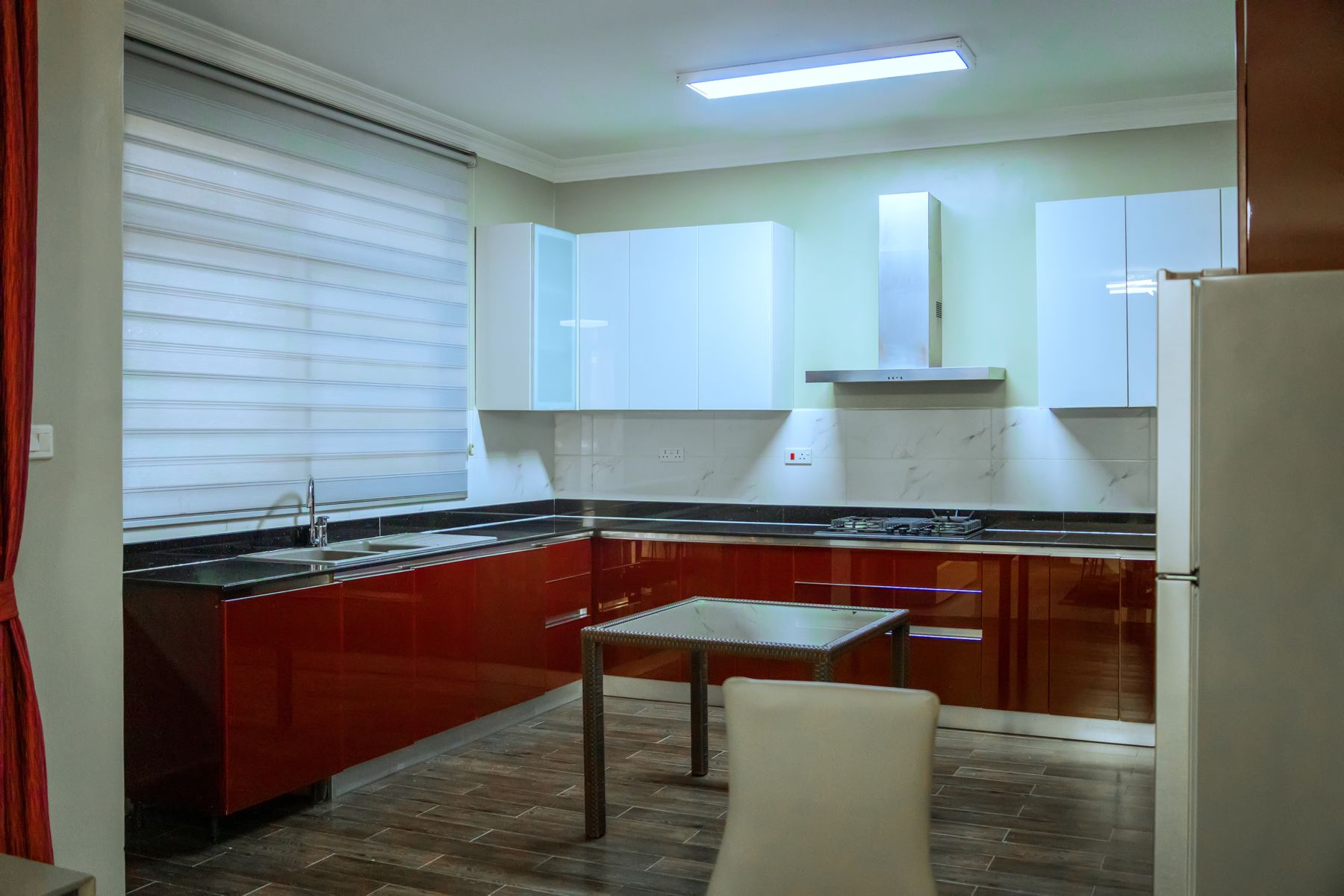
Cost of Living in Kampala for Expats and Newcomers
A practical framework for budgeting your first months in Kampala, covering housing, food, transport, utilities, schooling and leisure, with no stale price lists, just what drives each cost.
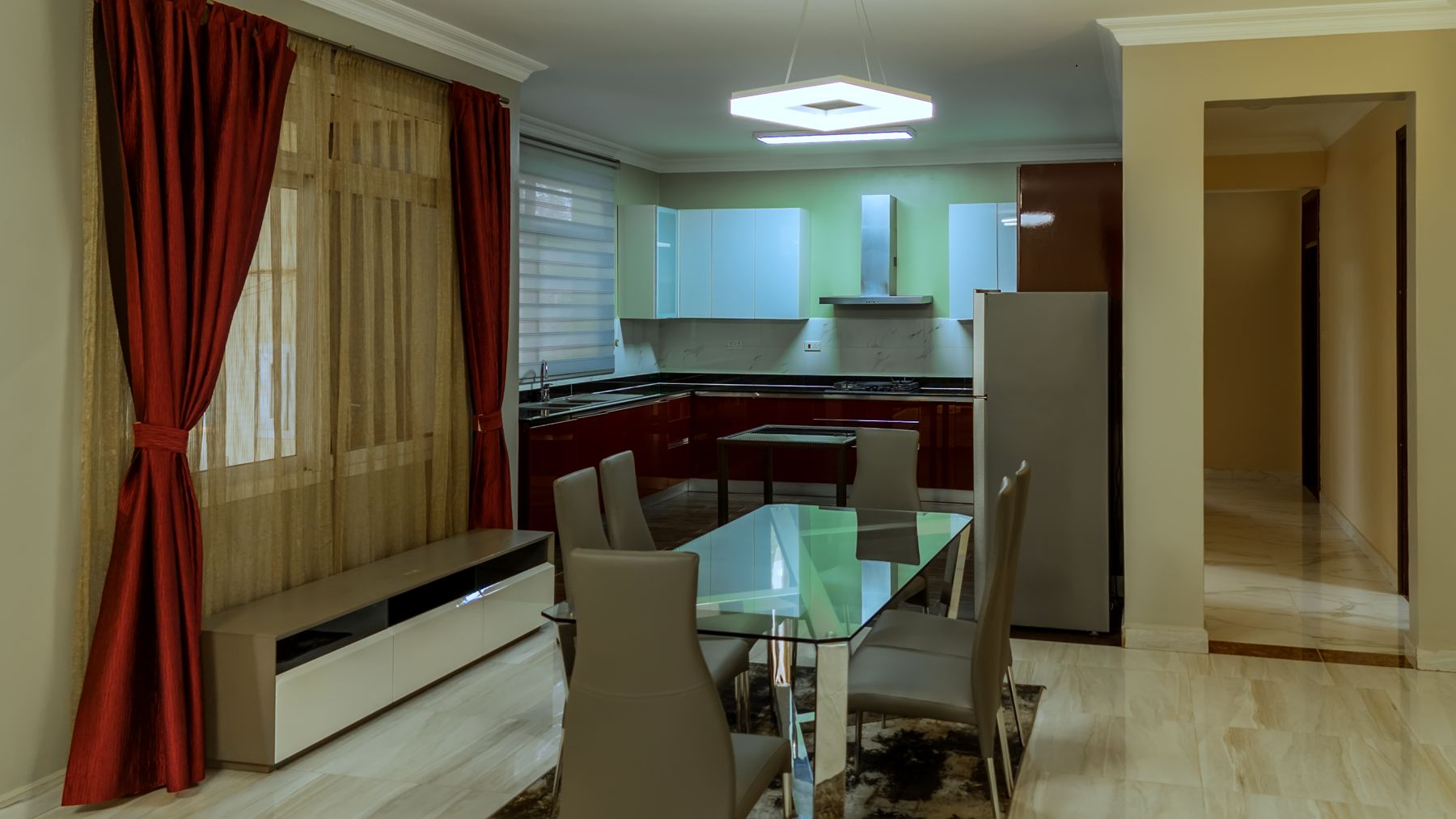
Apartment Amenities That Matter in Kampala: How to Judge
Which apartment amenities genuinely matter in Kampala, and how do you check them? Learn to test security, power, water, internet, parking and facilities, with Simba property examples.
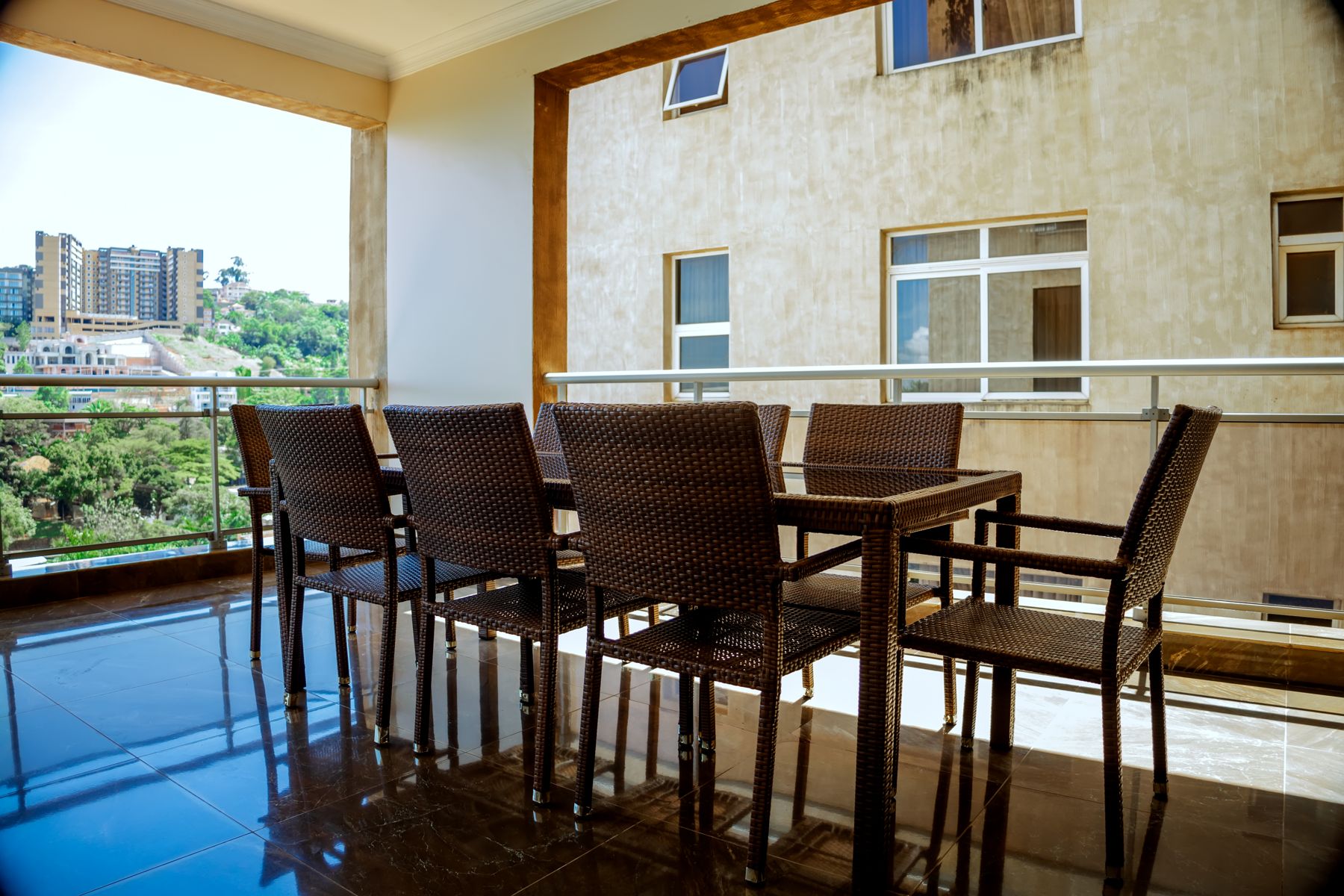
Moving to Kampala Checklist: Before, On Arrival, First Weeks
Use this moving to Kampala checklist to sequence your relocation: documents to verify with official sources, the first-day essentials, mobile money, banking, housing and health, in the right order.
Comments
No comments yet. Be the first to share your thoughts.