
Cost of Living in Kampala for Expats and Newcomers
Living in Kampala · · 7 min read
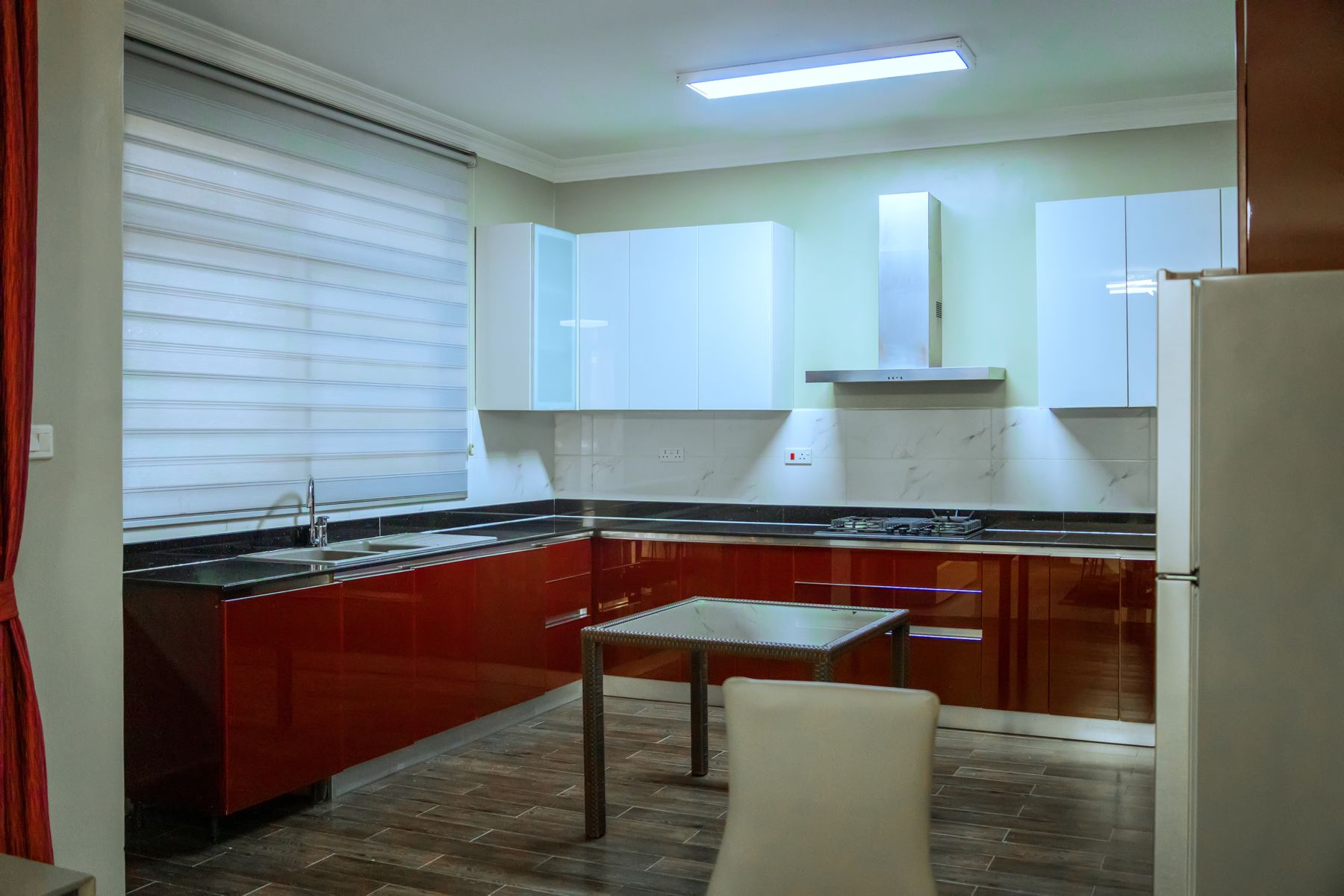
The cost of living in Kampala depends far more on the choices you make than on the city itself. Two newcomers on the same salary can spend very different amounts depending on where they live, how they get around, whether they cook at home and what their children's schooling involves. This article gives you a framework for building a realistic budget, category by category, rather than a list of prices that would be out of date within a season.
We deliberately do not quote figures here. Prices in Uganda are set in Ugandan shillings, move with the exchange rate, and differ between suppliers and neighbourhoods. Instead you will learn what drives each cost, which questions to ask, and how to collect current numbers yourself in your first fortnight. The team at Simba Properties sees newcomers make the same budgeting mistakes repeatedly, so those are covered too.
Start with the currency question
Before any category, decide which currency your budget lives in. Many landlords and serviced apartment providers quote in US dollars, while markets, boda-bodas, restaurants and most supermarkets price in Ugandan shillings. Simba, for example, lists its nightly rates in US dollars. If your income arrives in pounds, euros or dollars, you carry exchange-rate risk on every shilling purchase.
A practical approach is to split your budget into a dollar-denominated block (housing, perhaps school fees) and a shilling block (food, transport, household help, leisure). Review the shilling block monthly against the current rate from your bank or an official source, and keep a small buffer so that a weaker or stronger shilling does not catch you out.
Housing: the largest and most flexible line
Housing is usually the biggest single item, and it is also where your decisions have the most effect. The main drivers are neighbourhood, size, furnishing, security and the length of commitment.
Location and what it buys you
Areas such as Kololo, Bukoto and Buziga each have a different character and a different cost profile. A central address may save you money on transport and time, while a quieter lakeside suburb may give you more space for the same budget but add driving. Comparing Kololo, Bukoto and Buziga properly means weighing exactly those trade-offs.
Furnished or unfurnished
An unfurnished home looks cheaper on paper, but you then pay for beds, a sofa, kitchen equipment, curtains and appliances, and you may need to transport or dispose of them when you leave. A furnished apartment usually has a higher monthly figure with fewer hidden start-up costs. If your stay is under a couple of years, furnished often wins on total cost and on convenience.
Length of stay and rate structure
Longer stays are commonly priced more favourably per night. On the Simba site, stays of 7 or more nights use a weekly rate and stays of 30 or more nights use a monthly rate where one is set, so a month booked as a month is not priced the same as thirty separate nights. Ask any provider how their rates change with duration.
What to ask about before you count a rent figure as final
A quoted rent is only part of your housing cost. Ask whether the price includes the following, and write down the answers:
- Electricity and water: included, capped, or billed separately.
- Internet: included, or something you arrange and pay for yourself.
- Security and caretaking: part of the price, or a service charge.
- Parking: free, allocated, or extra.
- Deposit and payment terms: how much is held, in which currency, and when it is returned.
- Amenities such as a pool or gym: included for residents or charged separately.
Two apartments with the same headline price can differ by a large margin once these items are added. Compare them on a total monthly basis, not on the headline number.
Food: shop and cook, or eat out
Food spending in Kampala varies widely because you can buy from several different channels. Open markets and neighbourhood stalls sell fresh produce priced for local households. Supermarkets stock a broader range, including imported goods, and prices there follow what is imported and how scarce it is. Restaurants span everything from simple local eateries to upmarket dining rooms.
The budgeting lesson is that your habits matter more than the average. Someone who cooks local staples and fresh produce at home will spend very differently from someone who wants specific imported brands or eats out most evenings. Imported and branded items tend to carry the biggest premium, so list the ten items you buy most often and price them in two or three places before you decide on a food budget.
Having a proper kitchen changes the equation. Apartments with a full kitchen, a washer and a dryer, such as those at Elizabeth Royal Apartments, make home cooking and home laundry realistic, which keeps both food and laundry costs under your control.
Transport: the cost of time as well as money
Kampala traffic is a real factor, so transport is partly a time budget. The main options are boda-bodas (motorcycle taxis), ride-hailing apps, ordinary taxis, minibuses and your own vehicle. Each has different cost behaviour:
- Ride-hailing and taxis: convenient and predictable per trip, but the total depends on how often you travel and at what hours. Fares can rise in heavy traffic or rain.
- Boda-bodas: quick and flexible, with a safety trade-off you should weigh honestly.
- Your own car or a hired driver: adds fuel, insurance, maintenance, parking and, if you hire a driver, a salary and related obligations. It is the most expensive route in fixed costs but can be the most comfortable.
The simplest way to lower transport spending is to live close to where you spend most of your week: your office, your child's school, your regular shops. Paying a little more for a central apartment can cost less overall than a cheaper one that adds a long commute every day.
Utilities and running costs
Utilities include electricity, water, internet and, if you cook on gas, cooking fuel. The things that move these costs are mostly in your control and in the building's design.
- Electricity: air conditioning is typically the largest single driver. Using it only where and when needed makes a visible difference. Ask whether power is prepaid or billed, and whether the building has backup supply.
- Water: ask whether the building has storage or a reliable supply, as running short can force you into paid alternatives.
- Internet: plans differ by provider, speed and data allowance. If you work from home, reliability matters more than the cheapest plan. See our guide to working remotely from a Kampala apartment.
- Mobile data and airtime: budget separately, and learn how mobile money works early, since many everyday payments run through it.
When an apartment includes wireless internet and the utilities are clearly explained, your monthly picture becomes much easier to forecast. Always ask for a past typical bill from the landlord or a current resident if you can.
Schooling for children
Schooling can rival housing as a cost for families, and it is the area where you should rely on official school information rather than guesses. Uganda has international schools, national and private schools, and each sets its own fees and structure. Factors to check include tuition, registration or enrolment charges, uniforms, books, transport to and from school, meals, activities and trips.
Ask each school for a written fee schedule, how often fees change, and the payment currency. Proximity helps again: living near the school reduces transport cost and morning stress. Bukoto II, for instance, is about 300 metres from Kampala International School, which is the kind of detail that reshapes a family budget. We say more in our guide to family-friendly apartments in Kampala.
Leisure, health and the things people forget
Leisure costs are discretionary, which makes them the easiest to adjust. Dining out, gym or club memberships, weekend trips, safaris and entertainment all sit here. Check what your building already includes: a pool, gym or sauna in the building replaces a membership elsewhere.
Several items are commonly left out of first budgets:
- Health insurance and medical costs. Check current options with an insurer or your employer rather than assuming coverage.
- Visa, permit and documentation costs. Confirm these with official Ugandan government sources.
- Household help, if you employ anyone, including any statutory or customary obligations.
- Bank charges, mobile money fees and currency conversion costs.
- Travel home, and an emergency reserve.
How to build your own number
Use a simple method over your first month. Keep a running log in one currency, split into the six categories above, and sort each spend into fixed, variable and optional. After four weeks you will have a figure grounded in your own habits, which is far more reliable than any average. Add a buffer of your own choosing for price changes and surprises, and revisit the budget at three months when your routine has settled.
If you are still choosing where to live, browse our furnished apartments and villas to compare what is included, then use the enquiry form to ask the Simba team about duration pricing, what the rate covers and how a longer stay would work. We are happy to help you work through the numbers before you commit.
Frequently asked questions
How much does it cost to live in Kampala as an expat?
It depends on your housing, transport, food habits and whether you have children in school, so a single figure is misleading. Build your own budget by category, collect current prices from official and supplier sources in your first weeks, and track real spending for a month before settling on a number.
Is it cheaper to rent a furnished or unfurnished apartment in Kampala?
Unfurnished looks cheaper monthly, but you then buy furniture, appliances and kitchen equipment, and deal with them when you leave. For stays of a couple of years or less, a furnished apartment often costs less overall and removes set-up effort. Compare total costs, not headline rent.
Should I budget in US dollars or Ugandan shillings?
Most people use both. Housing and school fees are often quoted in dollars, while food, transport and daily spending are in shillings. Split your budget into two blocks and review the shilling block against the current exchange rate from your bank each month.
What costs do newcomers to Kampala forget to budget for?
Commonly missed items include health insurance, visa and permit costs, mobile money and bank charges, household help, internet and data, school extras such as uniforms and transport, and travel home. Keep an emergency reserve too. Confirm official costs with the relevant authority.
Does living close to work or school save money in Kampala?
Often yes. Traffic makes long commutes expensive in both fares and time. A central apartment near your office or your child's school can cost less overall than a cheaper home that adds a daily commute. Weigh transport and time alongside the rent.
Are longer stays cheaper per night at Simba Properties?
On the Simba site, stays of 7 or more nights use a weekly rate and stays of 30 or more nights use a monthly rate where one is set. You can request a stay online for a live price quote, and the team confirms availability and payment details.
Find your place in Kampala
Check live availability, see the price for your dates, and request your stay online. Our team confirms quickly.
Keep reading
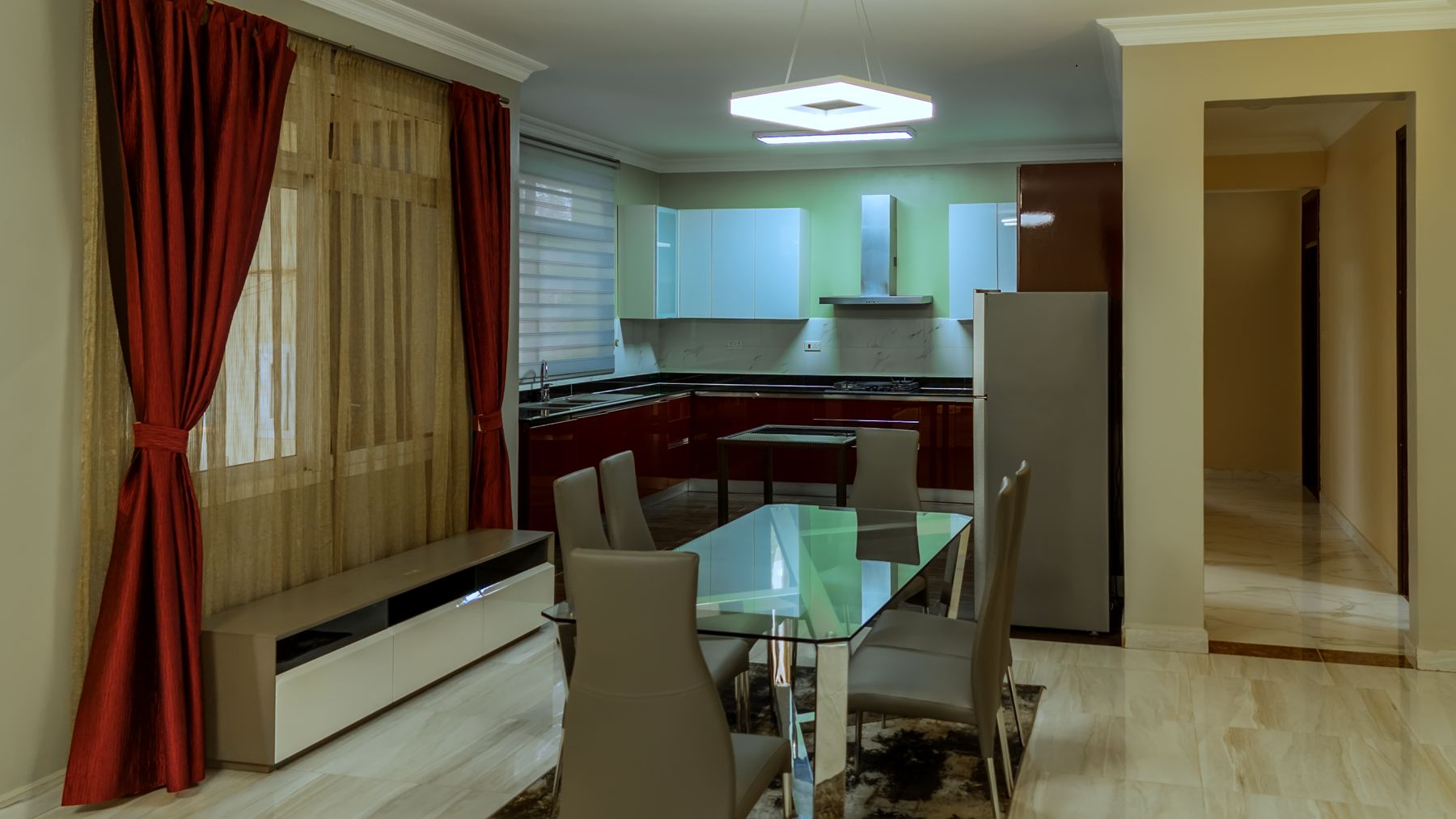
Apartment Amenities That Matter in Kampala: How to Judge
Which apartment amenities genuinely matter in Kampala, and how do you check them? Learn to test security, power, water, internet, parking and facilities, with Simba property examples.
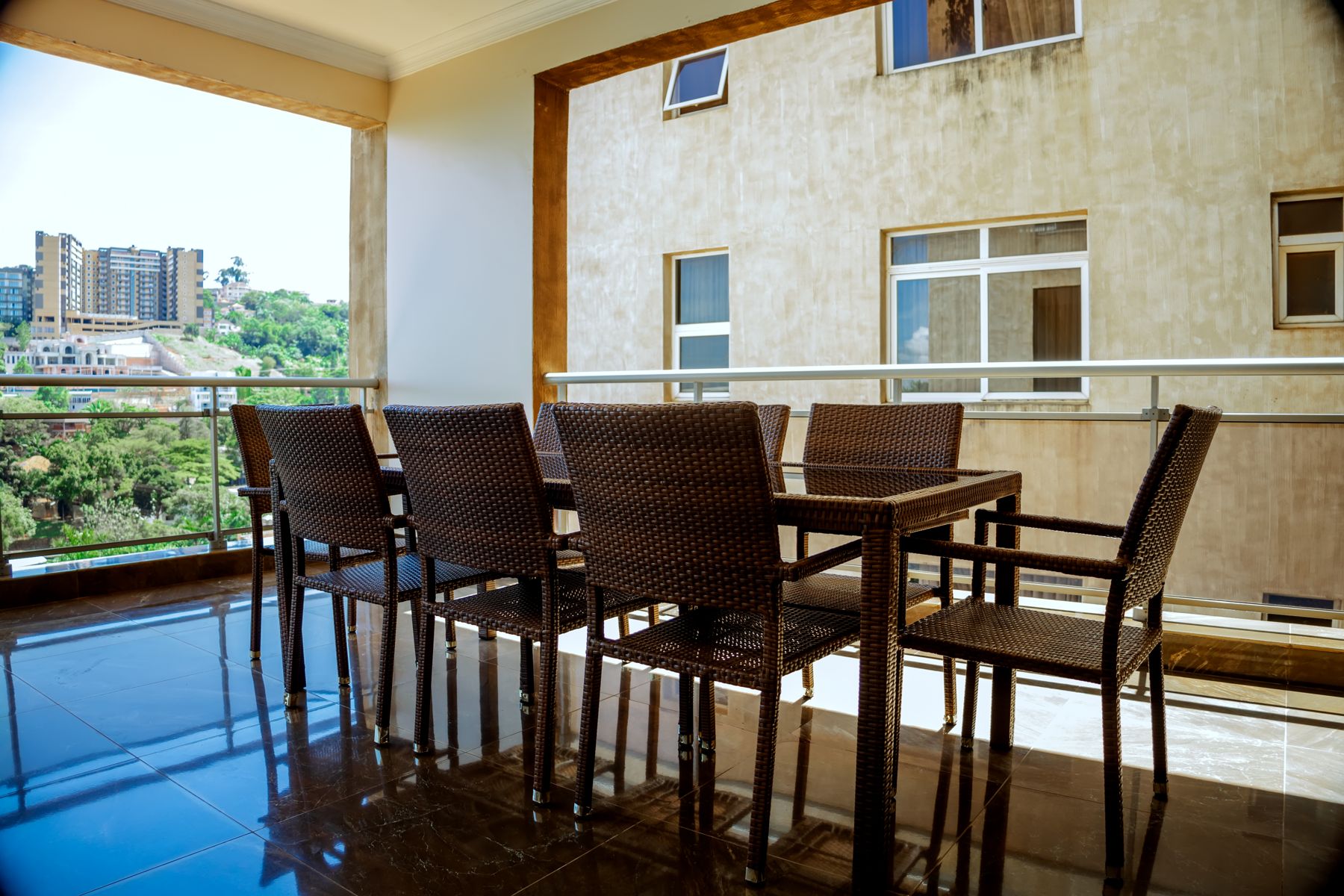
Moving to Kampala Checklist: Before, On Arrival, First Weeks
Use this moving to Kampala checklist to sequence your relocation: documents to verify with official sources, the first-day essentials, mobile money, banking, housing and health, in the right order.
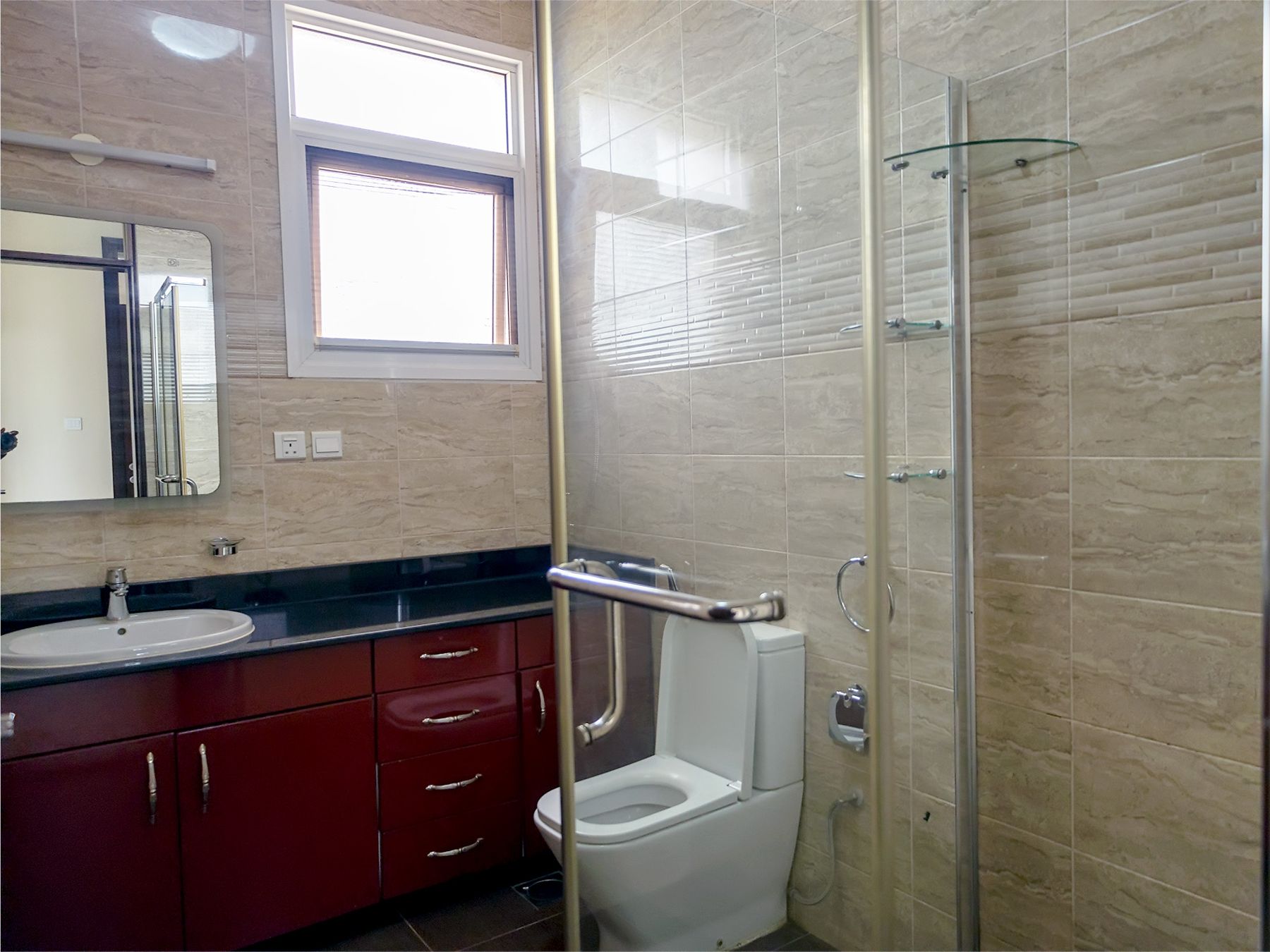
Family-Friendly Apartments in Kampala: What to Check
What should families check when choosing an apartment in Kampala? Space, security, play areas, school distance, kitchen and laundry, with examples from Elizabeth Royal and Bukoto II.
Comments
No comments yet. Be the first to share your thoughts.