
Moving to Kampala Checklist: Before, On Arrival, First Weeks
Living in Kampala · · 7 min read
A good moving to Kampala checklist is organised by timing: what to settle before you fly, what to do in your first days, and what can wait until the first few weeks. Most of the stress people report comes from doing things in the wrong order, such as arriving without verified documents or without a confirmed place to sleep.
Use this as a working list and adapt it to your situation. Rules on visas, work permits, customs, tax and health requirements change, so for anything official we point you to the relevant authority rather than quote details that might be out of date. For accommodation questions, the Simba Properties team is always happy to help.
Before you fly: documents and official requirements
Begin with paperwork, because it has the longest lead time and the least flexibility.
- Passport validity: check the expiry date and the number of blank pages. Confirm with official guidance how much validity Uganda requires for your type of entry.
- Visa or entry permission: requirements depend on your nationality and purpose of travel. Verify them on the official Government of Uganda immigration channels and avoid unofficial intermediaries.
- Work or residence permits: if you are relocating for employment, ask your employer who is handling this and what you need to carry on arrival.
- Health requirements: check current official guidance on vaccinations and any certificates required for entry, and speak to a doctor or travel clinic about what suits you. We do not give medical advice here.
- Copies and originals: scan your passport, visa, degree certificates, marriage and birth certificates, driving licence and employment letter. Keep digital copies in secure storage and a paper set separate from the originals.
- Children's documents: school records, transfer letters and immunisation records, as schools will usually ask for them.
If you are bringing goods, pets or vehicles, check customs and import rules with the official authorities before shipping anything. Rules differ by item and are not something to guess.
Before you fly: money and insurance
Arrange your finances so that you can function from the first hour. Tell your home bank you are travelling, check whether your cards work abroad and what they charge, and carry a small amount of cash for the first day, bearing in mind that you should check current official guidance on declaring and carrying currency.
Look at health and travel insurance before departure. Many newcomers rely on an employer scheme, an international policy or a local one, and it is worth confirming what is covered, which hospitals are in network and how claims work. Build the premiums and excesses into your monthly budget from the start.
Before you fly: secure your accommodation
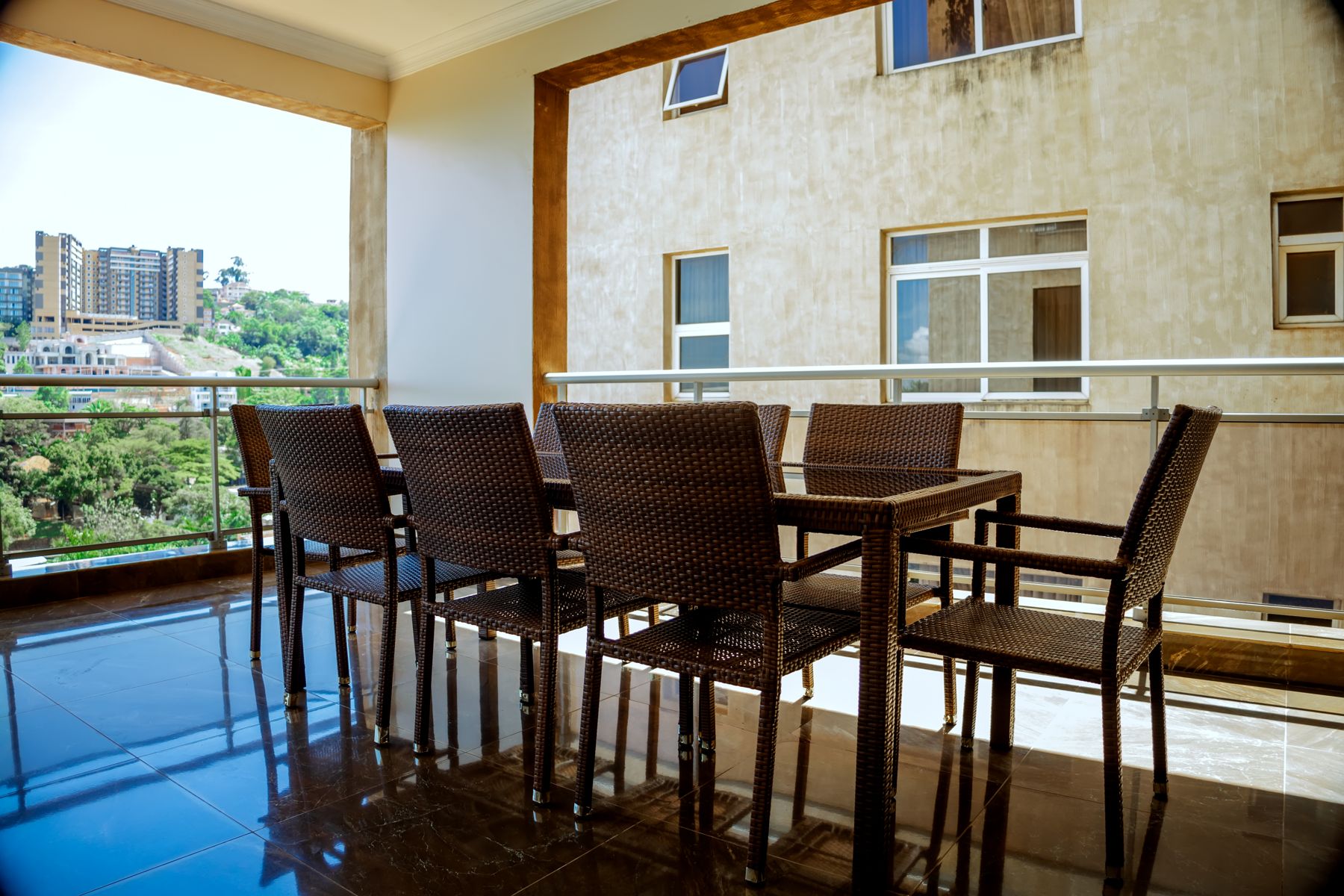
Do not arrive without a confirmed place for at least the first few weeks. Even if your long-term plan is to look at homes in person, a temporary base removes the pressure and lets you view properties calmly rather than accepting the first available option.
A furnished apartment is the simplest bridge. You can step in with a suitcase, and you do not need to arrange beds, a kitchen or utilities on day one. On the Simba site you request a stay online, see live availability with an instant price quote, and the team confirms availability and sends payment details. You are not charged when you request. Read the cancellation policy before you pay so you understand your options if plans shift.
Share your flight details with the team and ask about arrival arrangements, including how to reach the apartment from Entebbe. Do not assume any particular service is included unless it is confirmed to you in writing.
Before you fly: pack with Kampala in mind
Kampala has a warm, fairly mild climate at altitude, with distinct rainy periods. Pack breathable clothing, a light rain jacket, comfortable walking shoes and something warmer for cooler evenings. Bring a universal plug adapter and a surge protector, since power supply quality can vary. Carry any prescription medication in its original packaging with a doctor's note, and check import rules for that medication in advance.
A phone that is unlocked, so you can use a local SIM, saves time and money. Download maps, a ride-hailing app and your banking app before you leave, and save emergency numbers and your accommodation's address offline.
On arrival: settling in on arrival day
Your first day is about getting safely to your bed and getting connected. At Entebbe, complete immigration formalities with your documents ready and follow official instructions at the desk. Our arrival guide from Entebbe to Kampala covers the road in more detail.
- Arrange your transfer before you land, either through your accommodation or a reputable booking, rather than negotiating at the exit.
- Buy a local SIM card from an official outlet of a licensed network operator, not from a roadside seller. Registration normally requires identification, so keep your passport to hand.
- Message family and your host that you have arrived, and confirm the address and any access instructions.
- Check that the apartment has working internet, hot water, air conditioning and secure entry, and note anything wrong straight away.
On arrival: SIM, mobile money and banking
Connectivity and payments shape daily life. A local SIM gives you data for maps, ride-hailing and messaging. Compare data bundles once you know your usage, because tariffs differ between providers.
Mobile money
Mobile money is widely used in Uganda for everyday payments, from transport to utilities and small shops. To register you typically need a registered SIM in your own name and valid identification. Rules for foreigners can differ, so ask an official agent of the network provider what they require and what limits apply. Never share your PIN with anyone, including people who claim to be agents.
Bank accounts
Opening a local bank account usually requires identification, proof of address and sometimes an employer letter or residence status, and requirements differ between banks. Ask the bank directly what it needs for a non-resident or a new resident. Until then, use your international card sparingly and note the fees.
After arrival: home, health and routines
Settle your housing plan
With a base in place, decide what you actually want in a long-term home. List your priorities: proximity to work or school, a lift, backup power, a pool or gym, outdoor space. Our guide to apartment amenities that matter in Kampala helps you rank them. Then view properties in person, and if you are weighing a lease, read the terms carefully and speak to a qualified lawyer before signing.
Health and emergencies
Find the nearest clinic or hospital to your home, save the numbers of your insurer and a trusted doctor, and learn the local emergency contacts from official sources. If your insurer needs pre-approval for certain treatments, understand the process before you need it.
Learn your surroundings
Walk or ride around your area in daylight. Find the nearest supermarket, pharmacy, ATM and the main road for transport. Ask neighbours and the building caretaker for recommendations; they are usually the best source of practical local knowledge. Keep to sensible everyday habits, such as not displaying valuables and arranging transport after dark.
Routines that make the city work
By the second or third week, work on routines. Pick a dependable transport option for regular journeys, learn which roads to avoid at peak times, and find a grocery routine that suits your cooking habits. Register with your embassy or high commission if your country offers it, and keep your contact details current.
If you have children, confirm school start dates, uniform and transport arrangements and introduce them to the area before term begins. If you work remotely, test your internet at the times you will actually work.
Keep a running list
Whatever you forget will surface in the first month, so keep a single running note of tasks, contacts, document copies and reference numbers. Review it weekly. Most problems in a new city are small and solvable when you have the right phone number to hand.
When you are ready to choose where to stay, browse Simba Properties apartments and villas in Kololo, Bukoto and Buziga. If you want to talk through timing, arrival arrangements or a longer stay, get in touch through our enquiry page and the team will help you plan.
Frequently asked questions
What documents do I need to move to Kampala?
Typically a valid passport, the correct visa or permit for your purpose, and supporting papers such as employment letters, certificates and children's school records. Requirements depend on your nationality and situation, so verify everything with official Government of Uganda sources and your employer before you travel.
Can I get a Ugandan SIM card when I arrive?
Yes, but buy it from an official outlet of a licensed network operator, not a roadside seller. Registration normally requires identification, so keep your passport handy. An unlocked phone makes this easy. Compare data bundles once you know how much you use.
How does mobile money work for newcomers in Uganda?
Mobile money is widely used for everyday payments. You generally need a registered SIM and valid identification, but rules for foreigners can vary. Ask an official agent of the network provider about requirements and limits, and never share your PIN with anyone.
Should I book accommodation before arriving in Kampala?
It is wise to confirm at least your first few weeks. A furnished apartment lets you arrive with just luggage and view long-term homes without pressure. Simba shows live availability and an instant quote online, and the team confirms the stay and sends payment details.
How do I open a bank account in Kampala?
Banks usually ask for identification, proof of address and sometimes an employer letter or proof of residence status, and requirements differ between banks. Ask the bank what it needs for a new resident, and use your international card carefully in the meantime.
What should I do in my first week in Kampala?
Get connected with a local SIM, learn your neighbourhood in daylight, locate the nearest clinic, pharmacy and supermarket, save emergency contacts, and test your internet and power setup. Register with your embassy if offered, and keep one running list of tasks.
Find your place in Kampala
Check live availability, see the price for your dates, and request your stay online. Our team confirms quickly.
Keep reading
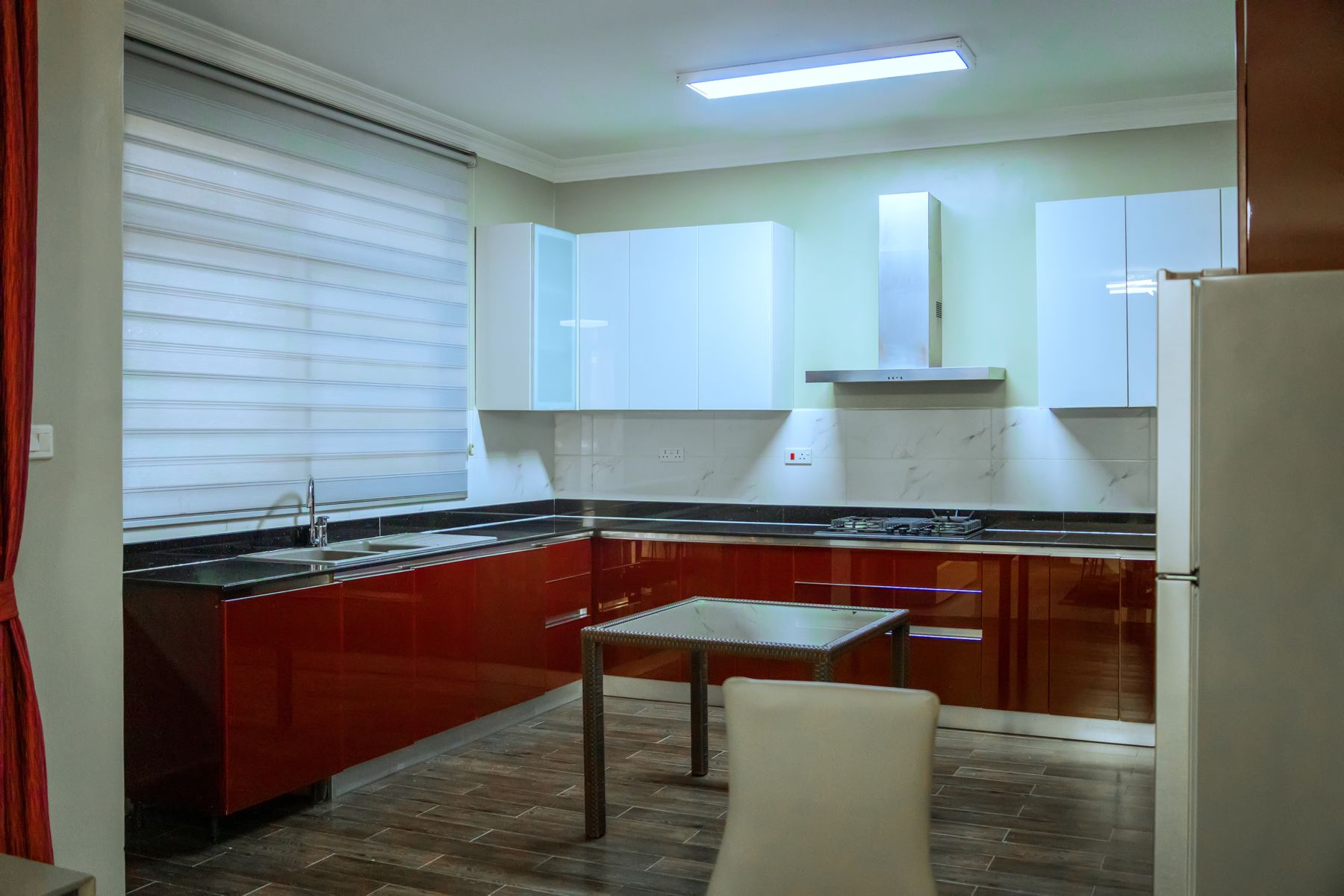
Cost of Living in Kampala for Expats and Newcomers
A practical framework for budgeting your first months in Kampala, covering housing, food, transport, utilities, schooling and leisure, with no stale price lists, just what drives each cost.
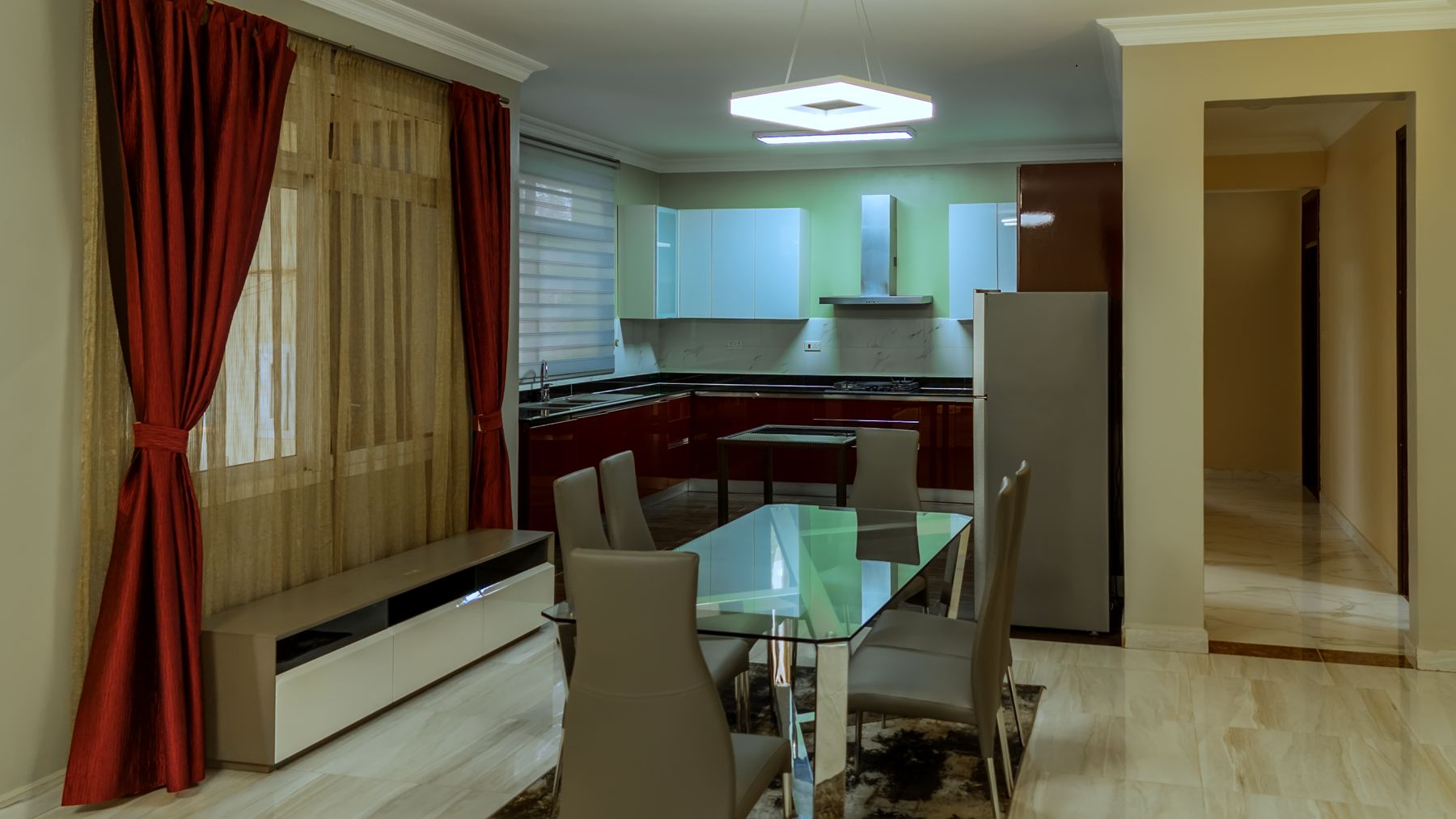
Apartment Amenities That Matter in Kampala: How to Judge
Which apartment amenities genuinely matter in Kampala, and how do you check them? Learn to test security, power, water, internet, parking and facilities, with Simba property examples.
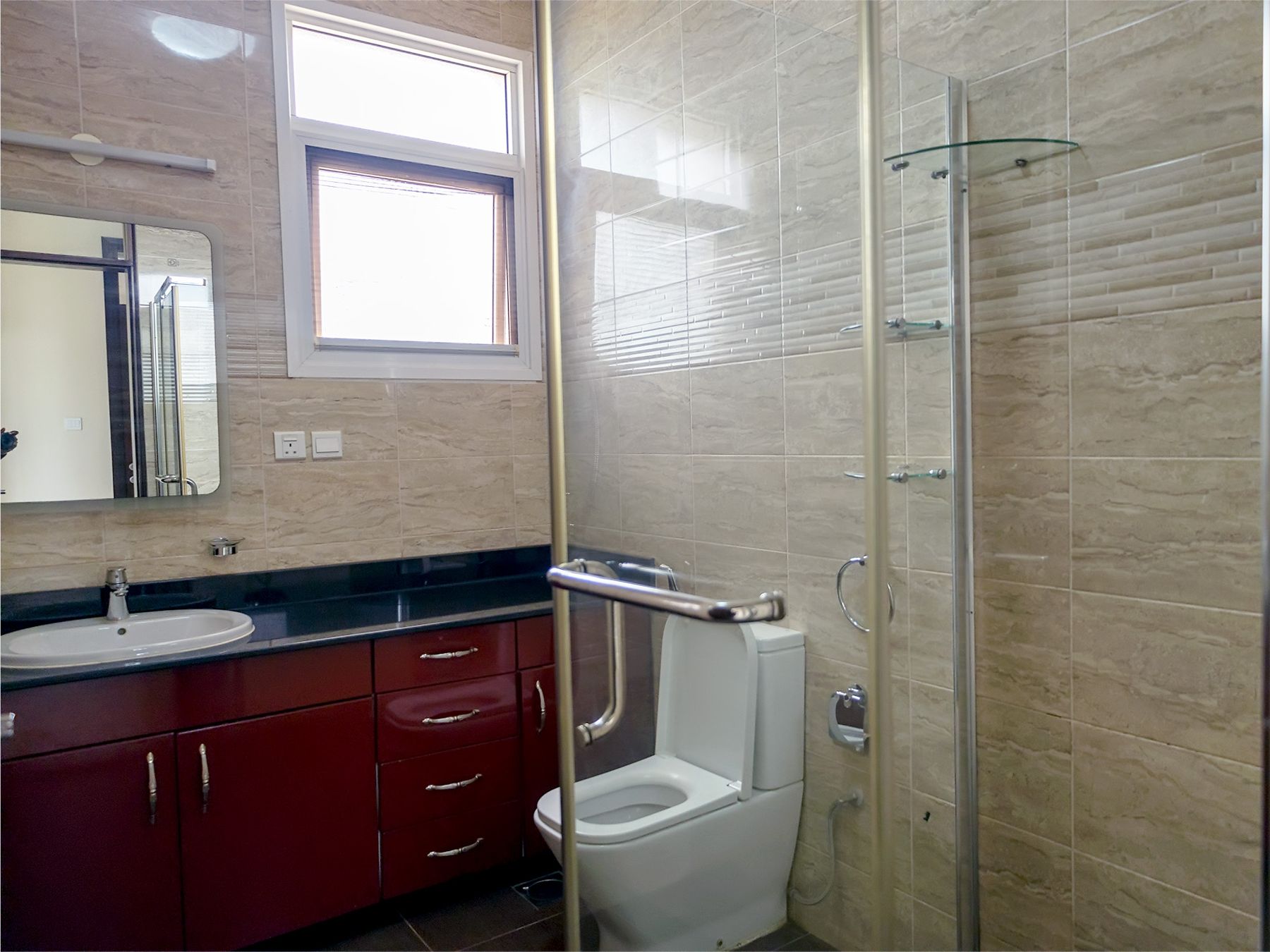
Family-Friendly Apartments in Kampala: What to Check
What should families check when choosing an apartment in Kampala? Space, security, play areas, school distance, kitchen and laundry, with examples from Elizabeth Royal and Bukoto II.
Comments
No comments yet. Be the first to share your thoughts.