
Understanding Rental Agreements in Uganda: What to Read
Renting in Kampala · · 7 min read

A rental agreement is the document that decides who pays what, who fixes what and how either side can end the arrangement. In Uganda, as anywhere, the most useful habit is to read the whole thing before you sign, check that it matches what you were told, and ask a qualified lawyer to review it if the stay is long or the terms are unusual.
This article is a general awareness guide to what a tenancy agreement commonly covers and what to look for. It is not legal advice, and it does not describe what the law requires in any particular case. Rules on tenancies, notice, deposits and disputes are set out in legislation and by the authorities, and they can change, so for anything that matters, check current official guidance and speak to a qualified lawyer.
Why the written agreement matters
It is also your record. If a disagreement arises months later, the document, together with your receipts and messages, is what you and the owner will both return to.
Verbal promises are hard to prove later. If the landlord says the rent includes water, or that you can keep a pet, or that you may leave early with a month's notice, those points belong in writing. A well drafted agreement protects both sides by removing guesswork about what was agreed.
Equally, signing a document you have not read means you are bound by terms you may not have noticed. Ask for the draft in advance, so you are not reading it for the first time at the signing table.
The parties and the property
Start with the basics, because errors here cause problems later.
- The full names of the landlord or owner and the tenant, and their contact details.
- Whether the person signing for the owner is the owner or someone acting on their behalf, and what authority they have.
- A clear description of the property, including the unit number and address.
- Who will actually occupy it, if more than the named tenant.
If the person you are dealing with is an agent or a company, ask how they are connected to the owner. Our guide to renting an apartment in Kampala step by step covers how to verify who you are dealing with before you reach the signing stage.
Term, start date and renewal
The agreement should state when the tenancy begins and for how long. Look for whether it ends automatically on a set date, whether it renews, and how renewal works. Ask what happens if you want to stay longer, and whether the rent can change at renewal.
If you are unsure how long you will stay, treat the term as a serious point. A short stay without a long commitment may suit you better, and our comparison of short-stay and long-term rentals explains the trade-offs.
Rent, currency and payment
This section should say exactly how much you pay, in which currency, how often, on what date and by what method. Pay particular attention to the following.
- The currency of the rent. If it is quoted in one currency and paid in another, find out how the conversion is decided and when.
- The payment schedule, including whether rent is paid in advance and for how many periods.
- The account or method of payment, and whether you will receive a receipt each time.
- What happens if a payment is late, including any penalties.
- Whether and how the rent may be increased during the term.
Keep every receipt and confirmation, and pay only into the account named in the agreement.
Deposit and conditions of return
If a deposit is required, the agreement should say how much, what it covers and when and how it is returned. Do not rely on a verbal assurance here. Questions worth asking include what deductions may be made, whether you will be told the reason for any deduction, how soon after you leave the balance is returned, and how the condition of the property will be assessed.
The most effective protection is evidence. A signed inventory and dated photographs taken on move-in show the starting condition and make any later disagreement easier to settle.
What the rent includes
List every cost and who bears it. Electricity, water, internet, waste collection, security, parking, generator or backup power, and service charges are each sometimes included and sometimes billed separately. If the agreement is silent, ask, and ask for the answer to be added. For furnished units, check whether the agreement attaches an inventory, and what condition the contents are expected to be in at the end. Our article on furnished versus unfurnished apartments explains what a furnished unit should contain.
Repairs, maintenance and access
Look at who is responsible for what. Typically, agreements distinguish between everyday upkeep, which may fall on the tenant, and larger repairs or structural issues, which more often fall on the owner, but this varies, so read the actual wording. Check how you report a fault, how fast the owner should respond, and whether you may arrange a repair yourself and be reimbursed.
Also look for the owner's right to enter the property, and whether notice is required before they do. Privacy matters in a home, and the agreement should say how and when access is arranged.
House rules and permitted use
Agreements often refer to rules about noise, visitors, subletting, smoking, pets and use of shared facilities. If you have a pet, work from home, run a small business or have regular overnight guests, confirm the position in writing. Some properties welcome pets and families, and the amenity list on a property page, such as that for Moyo Close Apartments, will tell you what is permitted before you reach the paperwork. Even so, the agreement is what governs.
Ending the tenancy
This is among the most important sections and often the least read. Check the following.
- How much notice either side must give, and in what form.
- Whether you can leave early, and what it costs if you do.
- The conditions under which the owner can end the tenancy, and what notice you would receive.
- What happens to your deposit and any advance rent on early exit.
- What you must do when you leave, such as cleaning or returning keys.
Where a company has a published cancellation or change policy for shorter stays, read it in the same way. Simba Properties sets out its terms for guest bookings in the cancellation policy.
Disputes and the governing rules
Many agreements state how disagreements are handled, which law applies and where a dispute would be heard. Make sure you understand this clause, and do not assume it is boilerplate. If something in it seems unusual or one-sided, ask about it before signing.
When to speak to a lawyer
You do not need a lawyer for every short furnished stay, but you should seriously consider one when the tenancy is long, the sums are large, the terms are unusual, you are signing for a company, or any clause is unclear. A qualified lawyer in Uganda can explain what the document means for you under current law, which a general article cannot.
Before the meeting, mark the clauses you do not understand, bring your questions about rent, deposit, repairs and exit, and ask what is missing as well as what is there.
Reading with confidence
Before signing, read the agreement once for meaning and once for gaps. On the second pass, list every question that the text does not answer, such as who pays for a broken appliance or what happens if you need to leave a month early, and get those answered in writing.
A good agreement is clear, complete and consistent with what you were told. If the owner or agent is reluctant to put promises in writing, or pushes you to sign quickly, treat that as information. Take the time you need.
If you would like to talk through a stay with the Simba Properties team, you can send an enquiry or browse our current apartments and villas to see what is available.
Frequently asked questions
Is this guide legal advice?
No. It is general awareness information about what tenancy agreements commonly cover. Laws and official rules can change and apply differently in each case. For anything important, check current official guidance and speak to a qualified lawyer in Uganda before you sign.
What should I read first in a rental agreement?
Start with the parties, the property, the term, the rent and payment details, and the clauses on ending the tenancy. Then read the deposit, repairs, house rules and what the rent includes. Mark anything unclear and ask for it to be explained or changed before signing.
Should rental promises be in writing?
Yes. If something was promised verbally, such as included utilities, permission for a pet or the right to leave early, ask for it to be written into the agreement. Verbal assurances are hard to prove later and may not be honoured.
What should I ask about a rental deposit?
Ask how much it is, what it covers, what deductions can be made and why, when it is returned and how the property's condition is assessed. Take a signed inventory and dated photographs on move-in, since evidence of the starting condition is your best protection.
When should I get a lawyer to review a tenancy agreement?
Consider it when the tenancy is long, the sums are large, you are signing on behalf of a company, the terms look unusual or one-sided, or any clause is unclear. A qualified lawyer can explain how the document applies to you under current law.
What if the landlord will not put terms in writing?
Treat it as a warning sign. A clear written agreement protects both sides. If an owner or agent is reluctant to document the rent, deposit, term or rules, or pressures you to sign quickly, pause and seek advice before paying anything.
Find your place in Kampala
Check live availability, see the price for your dates, and request your stay online. Our team confirms quickly.
Keep reading

How to Rent an Apartment in Kampala: Step by Step
A practical walk through renting an apartment in Kampala, from deciding your budget and area to verifying the landlord, reading the paperwork and checking the unit on move-in day.
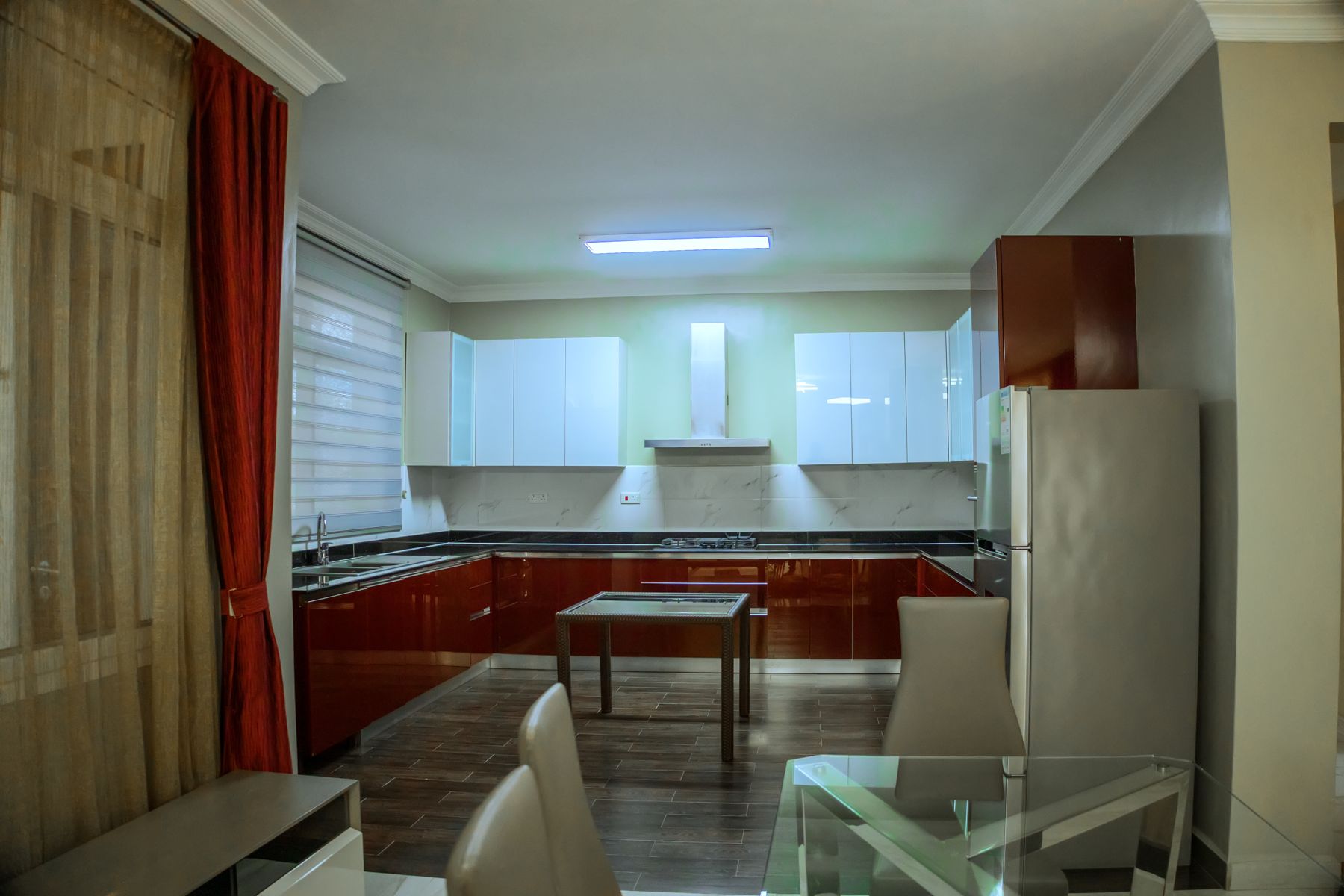
Furnished vs Unfurnished Apartments in Kampala Compared
An honest comparison of furnished and unfurnished apartments in Kampala, covering hidden costs, flexibility, who each option suits and what a properly furnished apartment should actually contain.

Short-Stay vs Long-Term Rental in Kampala: How to Choose
How to choose between a short-stay and a long-term rental in Kampala by length of stay, flexibility and cost structure, including how weekly and monthly night rates work at Simba Properties.
Comments
No comments yet. Be the first to share your thoughts.