
Staying Safe in Kampala: Practical Advice for Visitors
Visiting Uganda · · 7 min read
Kampala is a friendly, lively city, and the large majority of visitors and residents go about their business without any serious problem. Like any big city, it has petty theft, traffic hazards and occasional scams, and a few sensible habits remove most of the risk. This guide is meant to be practical and proportionate, not alarming.
It covers choosing where to stay, moving around by day and night, protecting valuables, using mobile money carefully, health and emergencies, and how to read local advice. For anything official, such as travel advisories or legal matters, rely on current guidance from your own government and the Ugandan authorities, since conditions can change.
Start with the right accommodation
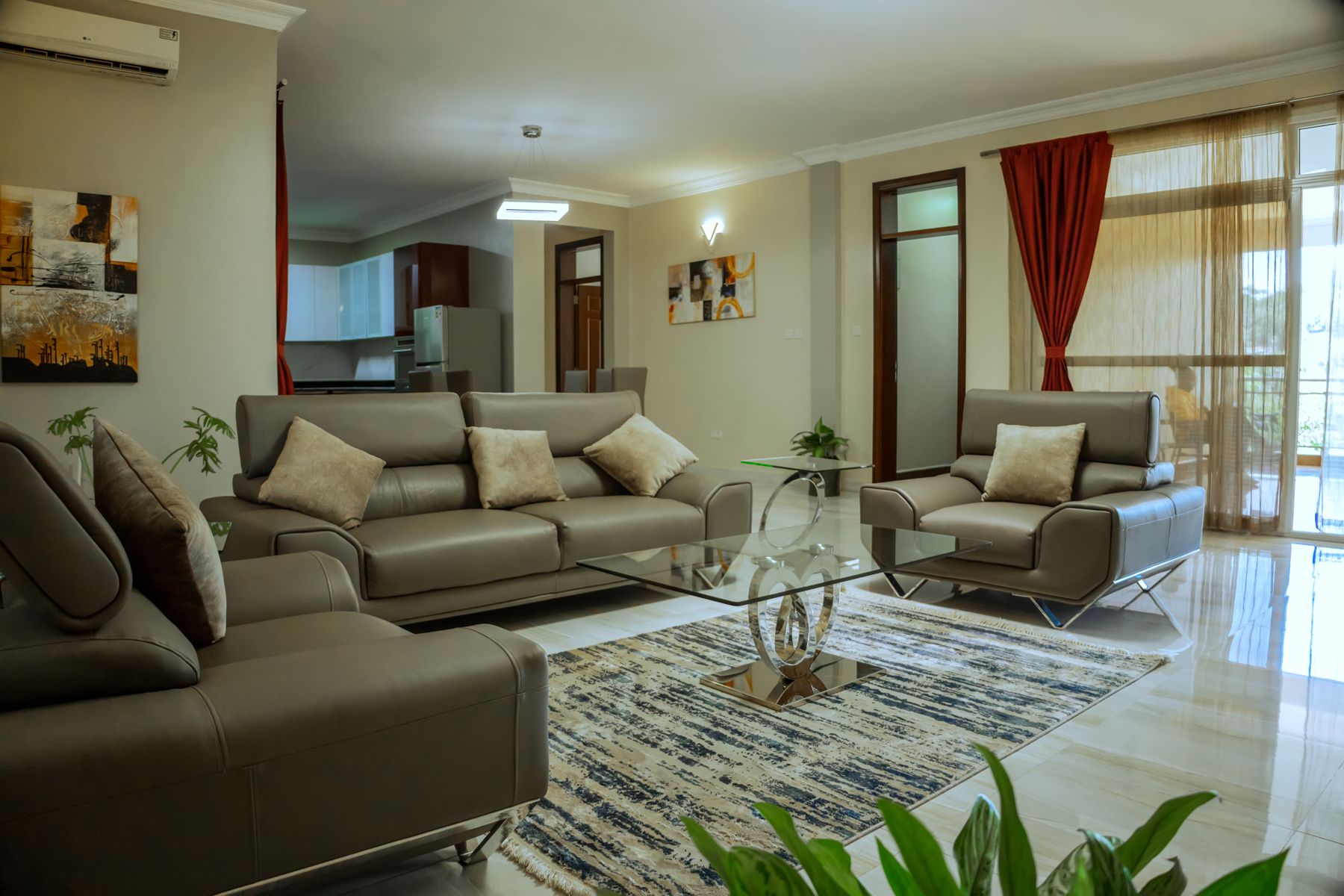
Your accommodation is the biggest single safety decision, because it is where you sleep, keep your belongings and return to after dark. Good security is a combination of the building, the neighbourhood and the people managing it.
What to look for
- Controlled access. A gated compound or building, a staffed entrance or a video intercom so you know who is at the door.
- Round-the-clock security. Ask what the arrangements are, how guards are managed and what happens at night.
- Secure parking. Important if you have a car or hire a driver.
- Working locks and smoke detectors. Check doors, windows and balcony access when you arrive.
- A responsive manager. A named person you can call, and a clear process for repairs and emergencies.
- Good lighting and a sensible position. Look at the approach road in the evening, not only the photographs.
At Simba Properties, for example, Elizabeth Royal Apartments in Upper Kololo lists 24-hour security, a video intercom and ample parking, and Bukoto II lists 24-hour security, caretaker services and parking. Whatever you choose, ask the questions yourself and confirm the details before booking. Our guide to amenities that matter in Kampala explains what else is worth checking.
Moving around by day
Most daytime incidents involve opportunism, such as a phone grabbed from a hand near a road or a bag left unattended. Basic city awareness is enough.
- Keep your phone away from the roadside and out of sight when walking near traffic, as motorcycles can pass quickly.
- Carry only what you need. Leave your passport, spare cards and large amounts of cash securely at your accommodation, and carry a photocopy or photo of your ID instead, where this is acceptable.
- Use a cross-body bag, worn in front in crowds and markets.
- Stay alert at busy junctions, taxi parks and markets, where crowding gives pickpockets cover.
- Be polite but firm with persistent sellers and anyone offering unsolicited help with money or directions.
Road safety deserves as much attention as crime. Traffic is the larger daily hazard for most visitors. Look carefully before crossing, expect vehicles to behave unpredictably, and read our guide to getting around Kampala for a realistic view of motorcycle taxis and alternatives.
Night travel
Many people enjoy Kampala's evenings, with restaurants, bars and live music across the city. The sensible approach is to plan the journey home before you go out, not after.
- Arrange transport in advance. Use a booked ride-hailing car or a trusted driver rather than hailing something at the roadside.
- Avoid walking long distances in unlit areas, even if the route seems short.
- Avoid motorcycle taxis at night, in poor visibility or after drinking.
- Tell someone where you are going and share your location or journey.
- Check the vehicle and the driver against the app details before getting in.
- Keep your drinks in view, and know your limits. Unfamiliar settings and alcohol are a poor combination.
- Keep the doors locked and windows up in slow traffic, with bags on the floor or the seat beside you, not near the window.
When you arrive at your building, wait until the gate or door is secure behind you before you start fumbling for keys or checking your phone.
Protecting your valuables
Treat your passport, laptop, camera and phone as the items most worth guarding, and keep their loss survivable.
- Back up your documents digitally and store copies separately from the originals.
- Record device serial numbers and enable tracking and remote-wipe features.
- Do not display expensive jewellery, cameras or cash in public.
- Use the safe or lockable storage in your accommodation if provided, and ask whether there is one.
- Do not leave belongings visible in a parked car.
- Keep travel insurance details accessible, and report any theft promptly to the police for an insurance claim.
Mobile money and digital caution
Mobile money is a part of everyday life in Uganda and is very convenient, but it is also where many scams occur. Treat it with the same care as a bank account.
- Never share your PIN with anyone, including someone claiming to be from a network provider, bank or your host.
- Beware of reversal scams. A caller or message claims money was sent by mistake and asks you to return it. Verify through your own provider's official channels before doing anything.
- Check the recipient's name and number before confirming any transfer.
- Ignore unexpected prize, job or investment messages and anyone creating urgency.
- Keep balances modest on a wallet you use for daily spending.
- Pay agents carefully. Use official agent outlets and do not hand over your phone to be operated for you.
- Confirm payment details independently. If you receive bank or payment instructions for a rental, check them with the company using contact details from its official website.
Simba Properties confirms availability and sends payment details after you request a stay, and you can verify them directly using the phone number and email published on our official website. Wherever you rent, treat last-minute changes to payment details with suspicion.
Health, emergencies and preparation
Check current health advice from a qualified professional, including malaria precautions, and carry insurance that covers medical care and evacuation. Know where the nearest pharmacy and medical facility are, and save the numbers of your host, your embassy or high commission, and local emergency services in your phone. Keep a charged phone, a power bank and some cash for emergencies.
Be careful with tap water, food hygiene and sun exposure. Ask your host or a trusted local about drinking water and where to eat. If you take regular medication, bring enough in its original packaging, with a prescription.
Dealing with unwanted attention and common scams
Most approaches from strangers are simply friendly curiosity, and many Ugandans are happy to chat. A few patterns are worth recognising. Be wary of anyone who pushes a sob story that ends in a request for money, who insists on carrying your luggage or guiding you to a particular shop, or who claims a fee is owed for something you did not ask for. A firm, polite refusal and continuing to walk is usually enough.
Be careful about invitations to private gatherings from people you have just met, about overly generous offers to exchange money, and about anyone asking you to hold, carry or deliver a package. If you feel uncomfortable, move into a shop, hotel lobby or busy place and ask staff for help. Trust your instincts, and do not feel obliged to be polite at the expense of your own comfort.
Respect, awareness and reading local advice
Courtesy goes a long way in Uganda. Greetings matter, and a calm, friendly manner de-escalates most situations. Ask before photographing people, and avoid photographing government buildings, security installations and military personnel, as this can cause problems. Be aware of local laws and customs, which may differ from your own, and check official sources if you are unsure.
Online forums and social media can exaggerate danger or dismiss it. Weigh them against current official travel advice and the practical view of people living locally. Residents and hosts usually give the most useful day-to-day guidance on which areas, routes and times suit you.
A calm, prepared stay
Safety in Kampala is mostly about habits you can form quickly: a secure base, planned journeys, visible caution with valuables and healthy scepticism around money requests. With those in place, most visitors spend their time enjoying the city.
If you are choosing where to stay, browse our furnished apartments and villas and compare their security features, or contact the Simba Properties team with your questions.
Frequently asked questions
Is Kampala safe for tourists?
Most visitors have trouble-free stays. The usual risks are petty theft, road accidents and occasional scams, which sensible habits greatly reduce. Choose secure accommodation, plan night journeys, keep valuables out of sight and check current official travel advice from your own government before you go.
Is it safe to walk around Kampala at night?
It is better to avoid walking long distances at night, particularly in unlit areas. Arrange a booked ride or trusted driver before heading out, share your journey with someone and have your building secured behind you on arrival. Local advice on specific areas is valuable.
What should I look for in secure accommodation in Kampala?
Look for controlled access, 24-hour security, a video intercom, secure parking, working locks, smoke detectors and a responsive manager. Ask how security operates at night and check the approach road in the evening. Confirm all details with the host before booking.
How can I use mobile money safely in Uganda?
Never share your PIN, double-check the recipient's name and number before confirming, and ignore messages claiming a mistaken transfer or unexpected prizes. Use official agent outlets, keep wallet balances modest, and verify payment instructions independently using official contact details.
Are boda-bodas safe for visitors?
They are fast but have a higher injury risk than cars. If you use one, wear a helmet, prefer app-booked rides, avoid night and rain, and check that your insurance covers motorcycle travel. Many visitors prefer ride-hailing cars or a private driver.
What should I do if something is stolen?
Tell your host or accommodation manager, report the theft to the police to obtain a record for insurance, and contact your bank to block cards. If your passport is lost, contact your embassy or high commission. Keep copies of documents stored separately.
Find your place in Kampala
Check live availability, see the price for your dates, and request your stay online. Our team confirms quickly.
Keep reading

First Time in Uganda: Arrival Guide from Entebbe to Kampala
A practical walk through your arrival in Uganda: entry paperwork, Entebbe airport, the road to Kampala, your first day and what to sort out before you fly.
Things to Do in Kampala for First-Time Guests, by Interest
A first visit to Kampala is easier with a plan. Here are well-known places and experiences, from markets and museums to food, nightlife and day trips towards Jinja.

Getting Around Kampala: Boda-Boda, Taxis and Ride-Hailing
Kampala's roads are busy and inventive. Here is how boda-boda, minibus taxis, ride-hailing and private drivers compare, what to ask your host and how to plan around traffic.
Comments
No comments yet. Be the first to share your thoughts.