
Business Travel to Kampala: Serviced Apartment or Hotel
Visiting Uganda · · 6 min read
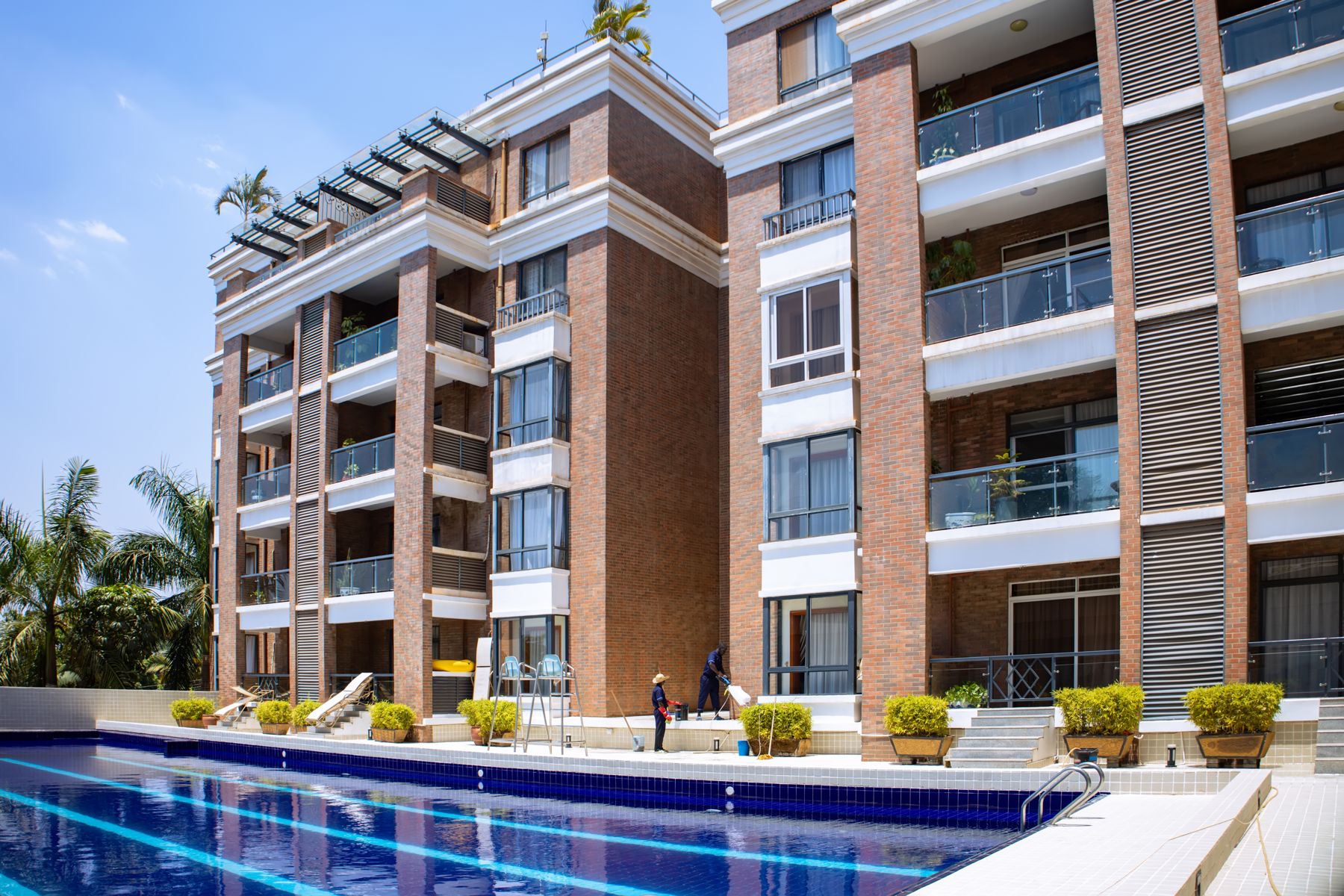
For a business trip of a night or two, a hotel is usually the simple answer. Once the trip stretches to a week, or a project team will be in Kampala for a month or more, a serviced apartment often becomes the better tool: more space, a kitchen, laundry and room for people to work in private. The right choice depends on trip length, team size, how much you will work from your accommodation and what your company will reimburse.
This article sets out how to decide. It covers the cost logic, the working conditions you need, the questions to put to any provider and the situations where a hotel is genuinely the better option. Simba Properties offers furnished apartments and villas in Kololo, Bukoto and Buziga, and examples from them are used below where they help.
Start with the length of the trip
Trip length is the strongest predictor of which option works better. Think in three bands rather than exact numbers.
- A night or two: a hotel is almost always easier. You want a front desk, quick check-in and nothing to manage.
- A week or so: this is the grey zone. A hotel is still convenient, but the apartment's kitchen and laundry begin to count, particularly if you are working long days and eating out gets tiring.
- A month or longer: an apartment typically makes more sense. Monthly rates exist for this reason, and Simba applies a monthly rate for stays of thirty or more nights where one is set.
The point is not that apartments are always cheaper. It is that they become more useful, and often better value, as the stay lengthens.
Comparing the real costs
Comparing a nightly hotel rate with a nightly apartment rate misses most of the picture. A useful comparison counts what you actually spend over the whole trip.
What to include for a hotel
- Room rate and any taxes or service charges on top
- Breakfast and other meals, if not included
- Laundry charges
- Extra rooms if colleagues want privacy
- Meeting room or desk hire if the room is not suitable for work
What to include for an apartment
- The nightly rate for the whole unit, not per room
- Groceries and cooking, which are usually cheaper than eating out every meal
- Transport costs, because an apartment may be further from your meetings than a central hotel
- Any extra services you must arrange yourself, since an apartment is not a hotel and does not always include housekeeping or a front desk
Simba lists nightly rates in US dollars, and the booking form gives an instant quote for your dates, so you can compare against a hotel quote on the same dates. Whatever the result, confirm what your employer will reimburse, particularly whether groceries and per-diem rules apply.
What you need to work well
Business travellers often judge a place by its bed and its shower. Project teams should judge it by whether they can work and recover there.
- A proper work desk: a table you can sit at for hours, not a small hotel ledge. Simba's listings include a work desk across the properties.
- Reliable internet: every Simba property lists wireless internet, but if your work depends on constant video calls, ask about the connection and keep a mobile data backup.
- Power and air conditioning: check cooling, as it is not listed at every property.
- Quiet: residential areas such as Kololo are calmer than the central business district.
- A second room: separate bedrooms mean one person can take a call while another sleeps.
If remote work is a large part of your trip, our guide to remote work from a Kampala apartment goes into the set-up in detail.
Location matters more than the room
Kampala traffic is a fact of daily life, and where you sleep affects how much of your day you spend in a vehicle. Before you decide, list your regular destinations: your office or client, the embassy or ministry you visit, the airport route and any school or leisure needs. Then choose the base that shortens the most important journeys.
- Kololo places you close to embassies, UN offices, restaurants and upmarket shopping. See the Kololo apartments for options.
- Bukoto is residential, with a school and shopping nearby, and suits teams who prefer a quieter, more affordable base.
- Buziga is calm and close to the lake, a good choice for guests who work from the villa and travel less.
Distances in Kampala are less important than the time of day you travel them. A short distance at peak hour can take far longer than a longer drive at midday.
Team size and privacy
A hotel gives each person a room and a bill. An apartment gives a group a shared space, which is excellent for collaboration and unhelpful if people want to be alone. Ask yourself who will share and for how long.
Two colleagues in a two-bedroom apartment get privacy and a shared kitchen and living area. Four or more usually need a larger unit or more than one apartment, and sharing a bathroom among several people becomes tiring over weeks. Meeting clients at the apartment is possible in a larger suite, but a hotel lobby or restaurant is often a more neutral place to meet.
Flexibility, cancellation and booking rules
Business plans change. Before you pay for anything, check the cancellation terms, the process for extending a stay and how payment works. At Simba, you request a stay online, you are not charged at that stage, and the team confirms availability and sends payment details. Terms are on the cancellation policy page. If your project end date is uncertain, ask how an extension would be handled and what notice is required.
For visas, work permits and tax treatment of accommodation, check current official guidance and speak to your employer or a qualified adviser. This article does not cover them.
When a hotel is the better choice
Serviced apartments are not always right. A hotel is the better tool when:
- You arrive late and leave early, spending little time in the room.
- You want daily housekeeping, a restaurant and a concierge without arranging anything yourself.
- Your meetings are all in a single central location.
- Your trip is short and you do not want to shop for food.
- Your company only reimburses approved hotel chains.
Be honest about how you work. People who say they will cook every night often end up eating out after long days, and the kitchen they paid for stays unused.
Questions to ask any provider
- What is included in the rate, and what is not?
- How is internet provided, and what happens if it fails?
- Is there parking, and is it free?
- How does security work at night?
- What are the rules for visitors?
- How do I extend or shorten my stay?
Asking these in advance reveals how a provider responds, which tells you a lot about how it will respond when something goes wrong.
Making the decision
For a short stay of one or two nights, choose a hotel. For a week or more, weigh the kitchen, laundry, space and work conditions against convenience. For a month or longer, an apartment is usually the stronger candidate. Read about how longer stays work in our guide to monthly serviced apartment stays.
A practical way to finish the decision is to price both options for the same dates, write down the three things you cannot compromise on (for example a quiet desk, parking and cooling), and see which option meets all three without extras. If both do, choose the one closer to your most frequent destination. If neither does, widen the search or ask the provider whether anything can be arranged before you commit.
To see what is available for your dates, browse the Simba Properties apartments or contact the team with your trip length and group size, and they can advise on the best fit.
Frequently asked questions
Is a serviced apartment cheaper than a hotel for business travel?
Not always on a nightly basis, but the gap narrows as the stay lengthens. Count meals, laundry, extra rooms and workspace costs over the whole trip, not only the room rate. Longer stays often favour apartments because monthly rates and a kitchen reduce daily spending.
How long should I stay before choosing an apartment over a hotel?
There is no fixed rule, but many travellers start to prefer an apartment once a stay passes about a week, and clearly so for a month or more. Simba applies its weekly rate from seven nights and its monthly rate from thirty nights where one is set.
Can a project team share a serviced apartment in Kampala?
Yes. Two colleagues can share a two-bedroom unit with private bedrooms, and larger teams may need bigger suites or several apartments. Consider bathrooms, privacy, noise and working hours, since sharing space is easiest when schedules and expectations match, and agree house rules early so small irritations do not build up over weeks.
What should I check before booking an apartment for work?
Check the desk, wireless internet, air conditioning, parking, security and quiet. Ask about extension and cancellation terms, and how payment works. Confirm what your employer reimburses, including groceries and laundry. Ask the provider directly about anything that is not listed, rather than assuming it is included.
Which Kampala area is best for business travellers?
It depends on where your meetings are. Kololo is close to embassies, UN offices, restaurants and shopping. Bukoto is quieter and more affordable, with a school and mall nearby. Buziga is calm and near the lake. Choose the base that shortens your most frequent journeys.
Do Simba Properties apartments need to be booked in advance?
You request a stay online with live availability and an instant price quote. You are not charged at that stage. The team confirms availability and sends payment details. Booking early is sensible for longer stays or busy periods, and the cancellation policy explains the terms.
Find your place in Kampala
Check live availability, see the price for your dates, and request your stay online. Our team confirms quickly.
Keep reading
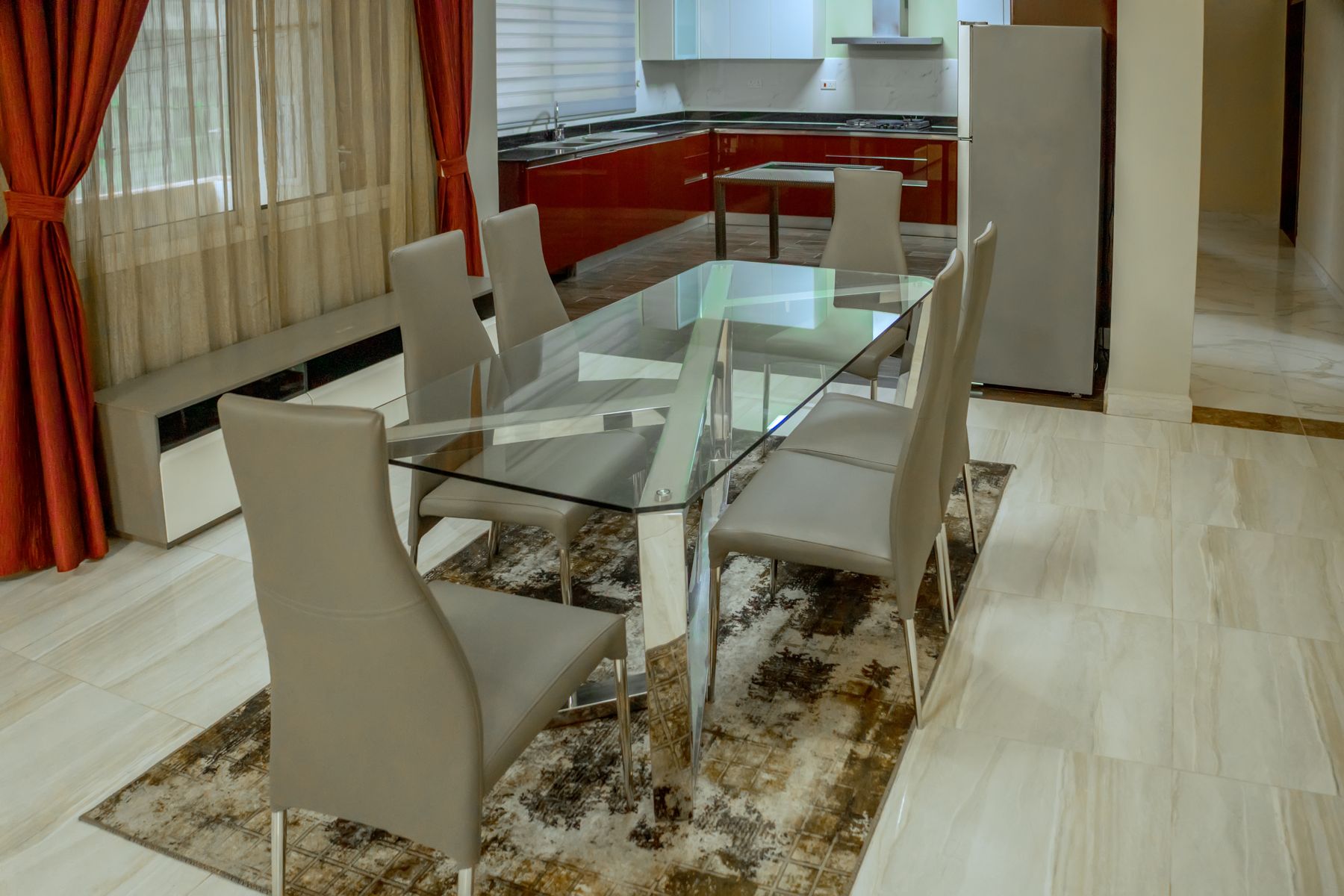
First Time in Uganda: Arrival Guide from Entebbe to Kampala
A practical walk through your arrival in Uganda: entry paperwork, Entebbe airport, the road to Kampala, your first day and what to sort out before you fly.
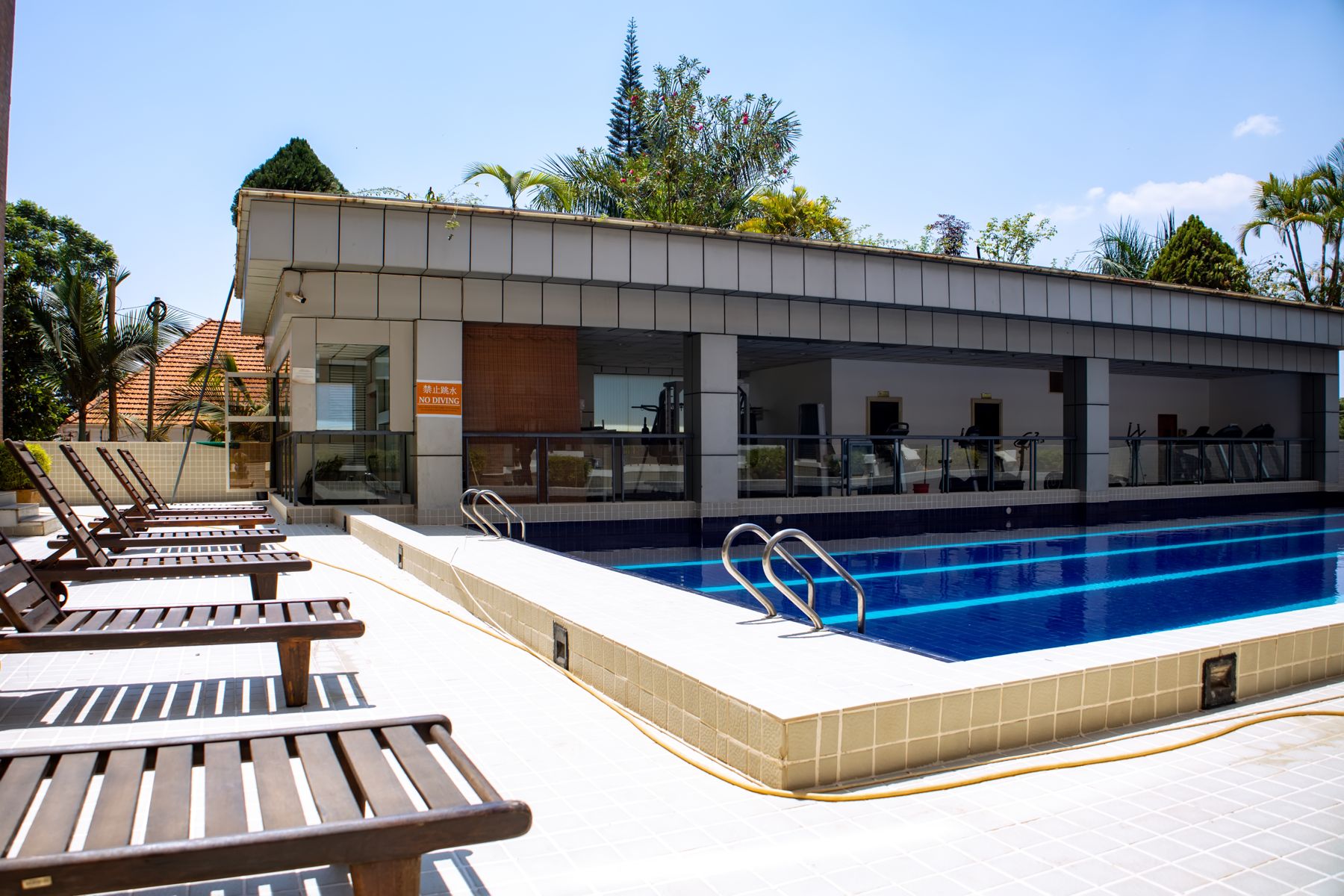
Things to Do in Kampala for First-Time Guests, by Interest
A first visit to Kampala is easier with a plan. Here are well-known places and experiences, from markets and museums to food, nightlife and day trips towards Jinja.
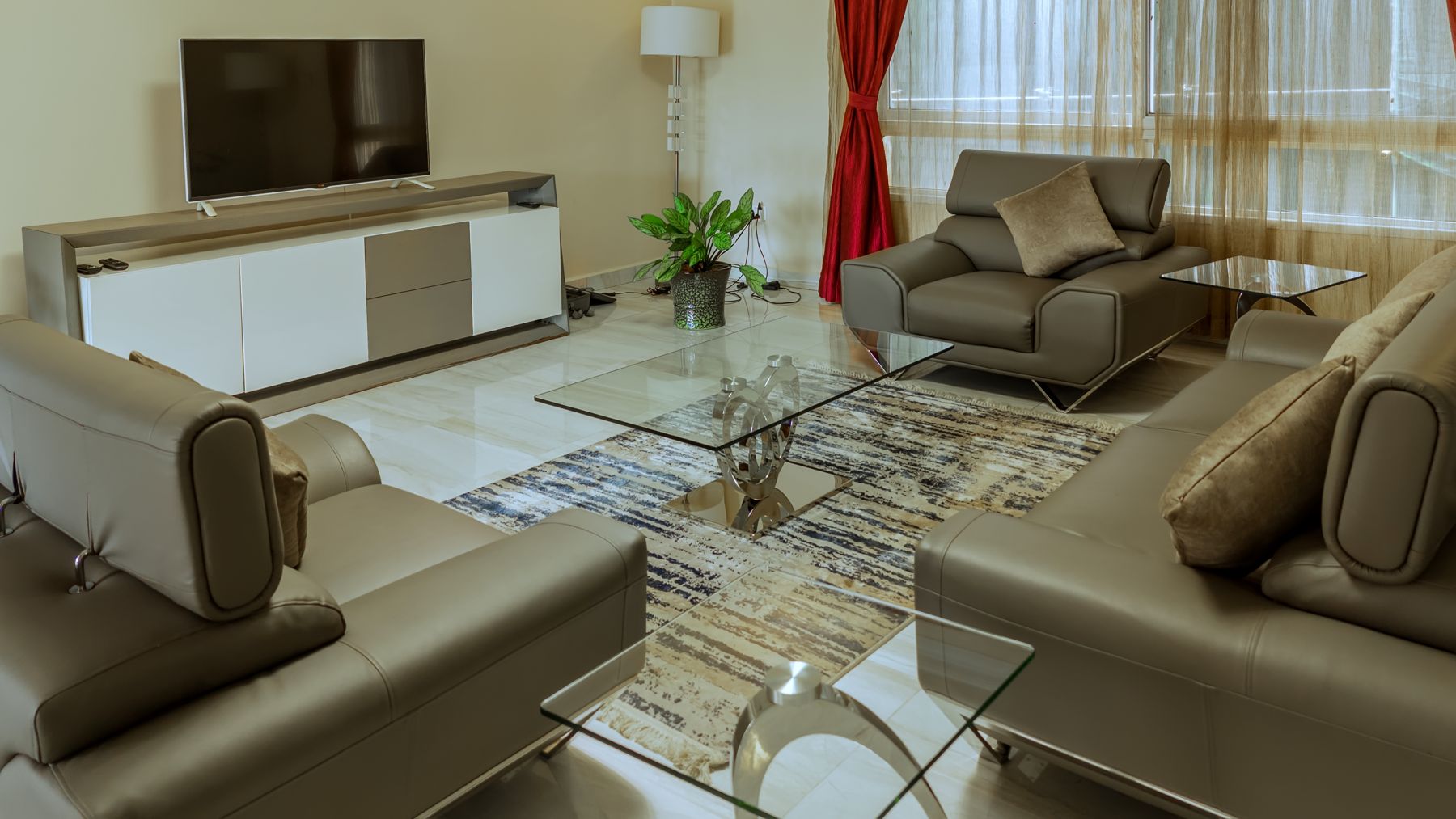
Getting Around Kampala: Boda-Boda, Taxis and Ride-Hailing
Kampala's roads are busy and inventive. Here is how boda-boda, minibus taxis, ride-hailing and private drivers compare, what to ask your host and how to plan around traffic.
Comments
No comments yet. Be the first to share your thoughts.